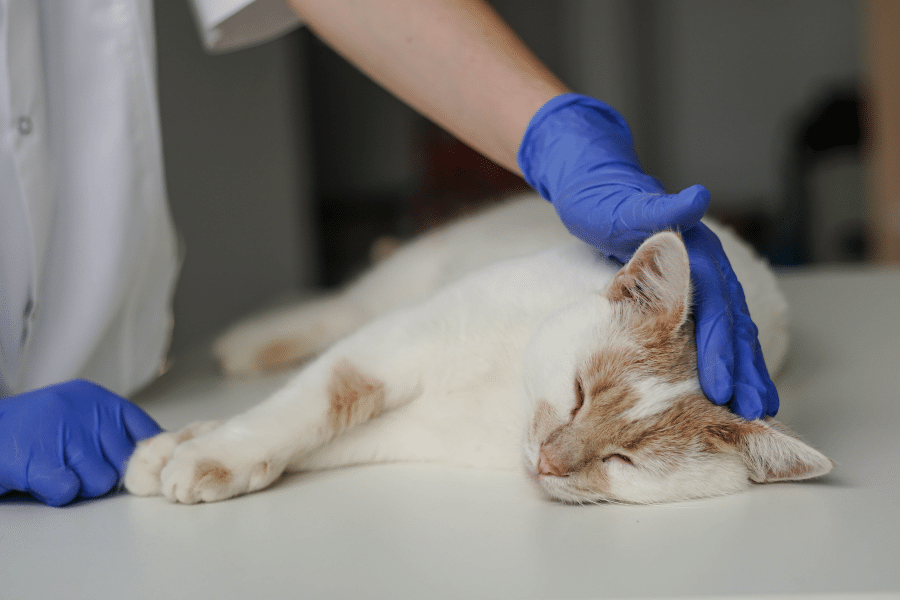

When your pet suddenly develops a health concern, waiting for a regular appointment may not feel like the right choice. You may wonder whether you can simply drive to a veterinary hospital and ask to be seen. In some situations, walk-in veterinary care can help pet owners get an appointment without booking far in advance. However, walk-in policies differ between hospitals, and availability may depend on the type of concern and the number of patients already being seen. Sangaree Animal Hospital in Summerville, SC, welcomes same-day and walk-in appointments during its published weekday hours for checkups and minor concerns. Understanding how walk-ins work can help you decide when to call, what to bring, and what to expect when you arrive.
Can You Walk Into a Veterinary Hospital for Urgent Pet Care?
Yes, some veterinary hospitals accept walk-in patients, but this does not mean every pet can be seen immediately or that every health concern can be handled as a walk-in. Each hospital sets its own policies based on staffing, appointment schedules, available services, and the condition of the pet.
Sangaree Animal Hospital advertises same-day and walk-in appointments Monday through Friday for checkups and minor concerns. Pet owners should contact the hospital to confirm whether their pet’s particular concern can be accommodated and what arrival time is appropriate.
Before heading to a clinic, consider these points:
- Walk-in availability: A hospital may accept walk-ins for certain appointment types but have limited capacity.
- Type of concern: A minor skin problem may be suitable for a walk-in, while a complex or severe condition may need a different care setting.
- Current patient load: The team may already be caring for scheduled appointments and other walk-in patients.
- Diagnostic needs: Some conditions require equipment, staff, or services that may not be immediately available.
- Timing: Walk-in policies may apply only during specific business hours.
Calling first gives the veterinary team a chance to understand your pet’s symptoms and explain the available options.
When Should You Call Before Walking Into a Veterinary Hospital?
Calling ahead is a sensible step whenever your pet develops a new or worsening health concern. It allows the team to ask questions, understand what is happening, and advise you about the most appropriate next step.
You should call before visiting if your pet has:
- Repeated vomiting or diarrhea
- Sudden limping or difficulty walking
- A painful or swollen area
- A wound or bite
- A noticeable change in appetite
- Unusual tiredness or weakness
- Persistent coughing
- Eye redness or discharge
- Changes in urination or bowel movements
When you call, explain when the symptoms began and whether your pet’s condition is changing. Mention your pet’s age, known health conditions, and any medication they currently receive.
Some situations require immediate attention at a 24-hour veterinary facility rather than a standard walk-in appointment. These include severe difficulty breathing, collapse, seizures, uncontrolled bleeding, and suspected poisoning.
Do not assume that arriving without calling will result in faster care. A quick conversation can help you avoid an unnecessary trip and make sure you are heading to an appropriate facility.
How Do Walk-In Veterinary Appointments Usually Work?
The process depends on the hospital, but most walk-in appointments begin with a check-in and a discussion about the pet’s health concern. The team gathers basic information before determining the next step.
A typical process may include:
- Arrival and check-in: You provide your contact details and explain why your pet needs to be seen.
- Initial questions: The team asks about the symptoms, when they started, and whether they have changed.
- Appointment assessment: The hospital determines whether it can accommodate the concern and when your pet may be examined.
- Veterinary examination: The veterinarian checks your pet and discusses possible causes.
- Treatment planning: The veterinarian explains whether medication, diagnostic testing, or additional care may be needed.
Walk-in patients may need to wait, especially when the hospital is busy. The order of arrival does not always determine the order of examination. A pet with a more serious condition may need attention before a pet with a minor concern.
This is one reason it is important to share symptoms accurately during check-in. Do not downplay a concern because you are worried about taking up the team’s time.
What Types of Pet Health Concerns May Be Suitable for a Walk-In Visit?
Walk-in appointments are generally intended for concerns that need attention but can be assessed safely within the hospital’s available schedule and services.
Depending on the hospital’s policies, examples may include:
- Mild skin irritation
- Minor ear or eye concerns
- Small wounds that need assessment
- Mild digestive upset
- New but manageable limping
- General health concerns that have recently developed
- A checkup for a pet whose owner could not schedule in advance
The suitability of a walk-in appointment depends on the pet’s condition. A symptom that appears minor can sometimes be linked to a more serious problem.
Hypothetical case study: Imagine a dog named Bailey who develops a small, irritated area on one paw after spending time outdoors. His owner calls the veterinary hospital, describes the redness, and explains that Bailey is still walking normally. The team discusses the available appointment options, and Bailey is brought in for an examination. The veterinarian checks the paw and recommends care based on the findings.
This example shows how calling ahead helps the clinic understand the concern before the pet arrives. It also helps the owner avoid assuming that every walk-in request can be accommodated in the same way.
What Should You Bring to a Walk-In Veterinary Appointment?
Preparing a few details before leaving home can help the visit go more smoothly. You do not need to bring a large folder of paperwork, but relevant medical information can help your veterinarian make informed recommendations.
Try to bring:
- Previous medical records, if available
- A list of current medications
- Details about known health conditions
- Photos or videos of symptoms
- Information about when the problem began
- Any relevant discharge papers from previous visits
- Your pet’s usual food information if the concern involves eating or digestion
If your pet may have swallowed something unusual, bring the packaging or a photograph of the product when it is safe to do so. Do not delay seeking care to collect an item if your pet’s condition is serious.
Keep your pet secure during transport. Dogs should be leashed, and cats should be placed in a suitable carrier. If your pet is painful, frightened, or difficult to handle, ask the veterinary team for safe transport guidance.
What If the Veterinary Hospital Cannot See Your Pet as a Walk-In?
A hospital may not always have the capacity or services needed to assess every walk-in patient. If the team cannot accommodate your pet, ask what other options are available and whether you should contact another veterinary facility.
The next step depends on the symptoms. A stable pet with a mild concern may be able to receive the next available appointment. A pet with severe or rapidly worsening symptoms may need to be taken directly to a 24-hour veterinary facility.
Do not wait for a convenient appointment if your pet is struggling to breathe, has collapsed, is having seizures, or has uncontrolled bleeding. These signs need immediate attention.
It can also help to ask the hospital:
- Whether a same-day appointment is available
- Whether the concern can be assessed during regular hours
- Whether another facility would be more appropriate
- What information to bring
- Whether a follow-up appointment may be needed
A clear plan is better than arriving without knowing whether the hospital can see your pet.
How Does Sangaree Animal Hospital Handle Same-Day and Walk-In Appointments?
Sangaree Animal Hospital lists same-day and walk-in appointments Monday through Friday for checkups and minor concerns. This gives pet owners another way to ask about care when they cannot arrange an appointment far in advance.
However, a walk-in option should not be treated as a guarantee of immediate assessment for every health problem. The type of concern, the hospital’s schedule, and available staff can affect whether the team can see your pet.
The hospital is located at 1665 N Main St, Summerville, SC 29486, across from Nexton Square. Contacting the team before visiting is the best way to confirm current availability and explain your pet’s symptoms.
Conclusion
Walk-in veterinary appointments can be useful when your pet needs attention, and you have not booked a visit in advance. However, policies vary, and not every concern can be handled as a walk-in. Calling first helps the veterinary team understand your pet’s symptoms and explain the most appropriate appointment option. Sangaree Animal Hospital in Summerville, SC, offers same-day and walk-in appointments during published weekday hours for checkups and minor concerns. If your pet develops a new health problem, contact the hospital before traveling so you can discuss availability and the care your pet may need.
Frequently Asked Questions
Q1. Can I walk into a veterinary hospital without an appointment?
Ans: Some veterinary hospitals accept walk-in patients, while others require scheduled appointments. Even at hospitals that welcome walk-ins, availability may depend on the type of concern and the current patient schedule.
Q2. Does Sangaree Animal Hospital accept walk-in appointments?
Ans: Yes, Sangaree Animal Hospital advertises same-day and walk-in appointments Monday through Friday, from 8:30 a.m. to 4:00 p.m., for checkups and minor concerns. Call ahead to confirm whether your pet’s specific needs can be accommodated.
Q3. Should I call before taking my pet to a veterinary hospital?
Ans: Calling first is recommended, especially when your pet has a new or worsening symptom. The team can ask about the concern, explain appointment availability, and advise whether another type of facility may be more appropriate.
Q4. Will my pet be seen immediately if I walk in?
Ans: Not necessarily. Walk-in patients may need to wait, and the hospital may have limited appointment capacity. The team can explain the expected process after learning about your pet’s condition.
Q5. What should I do if my pet needs care but the hospital cannot accept a walk-in?
Ans: Ask the veterinary team about the next available appointment or another suitable facility. If your pet has severe breathing difficulty, collapse, seizures, or uncontrolled bleeding, seek immediate attention at a 24-hour veterinary facility.