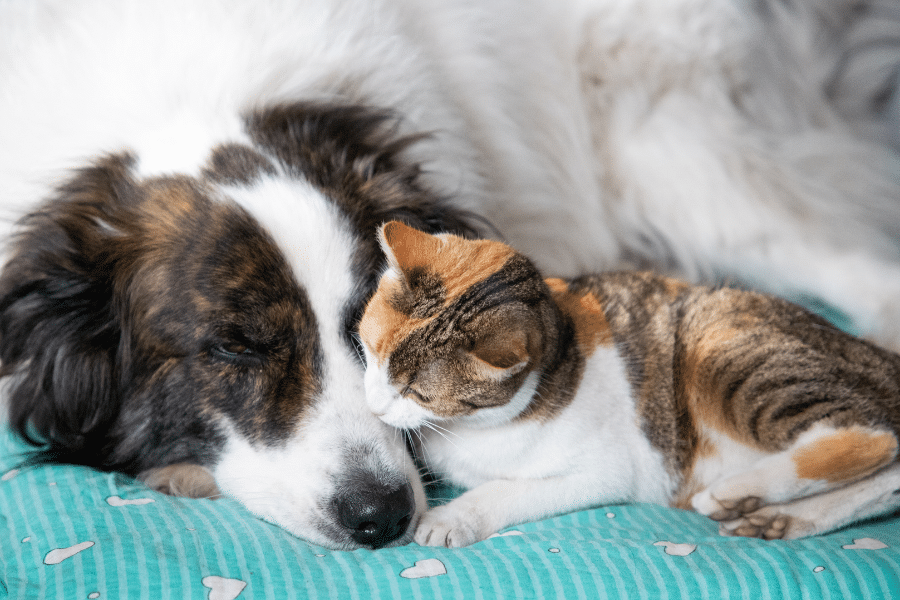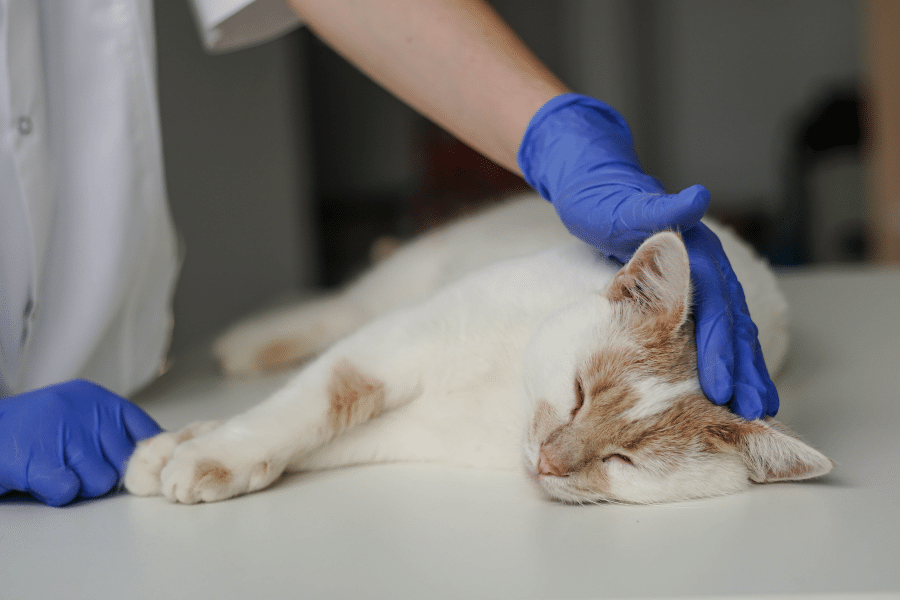


When your dog suddenly starts limping, your cat refuses food, or your pet develops repeated vomiting, it can be difficult to know what to do next. Some health concerns can wait for a planned appointment, while others need prompt attention. A veterinary urgent care visit gives your pet an opportunity to be examined when a new or worsening problem should not wait for a routine checkup. Knowing what happens during the appointment can help you feel more prepared and explain your pet’s symptoms clearly. At Sangaree Animal Hospital in Summerville, SC, pet owners can contact the veterinary team to discuss sudden health concerns and available appointment options. Here is what you can expect during the visit, how veterinarians assess your pet, and what you can do to help.
What Happens During a Veterinary Urgent Care Visit?
During a veterinary urgent care visit, the veterinary team gathers information about your pet’s symptoms, checks their overall condition, and determines what examination or treatment may be needed. Depending on the concern, the appointment may include a physical examination, diagnostic testing, medication, or instructions for follow-up care.
The process usually begins with a discussion about what you have noticed. Your veterinarian may ask when the symptoms started, whether they have changed, and if your pet has experienced similar problems before.
The appointment may include these steps:
- Initial discussion: You explain the symptoms, when they began, and any changes in your pet’s normal behavior.
- Physical examination: The veterinarian checks your pet for signs of pain, swelling, dehydration, injury, or other concerns.
- Diagnostic testing: Blood work, X-rays, or other tests may be recommended when additional information is needed.
- Treatment recommendations: Your veterinarian explains the findings and discusses suitable treatment options.
- Home-care instructions: You receive guidance about medication, activity, feeding, and signs that require another examination.
Not every pet needs every step. A dog with a minor skin concern may need a different assessment from a cat with repeated vomiting. The veterinarian’s recommendations depend on your pet’s symptoms, medical history, and examination findings.
The purpose is to understand what may be causing the problem and decide on an appropriate care plan.
What Symptoms May Require Urgent Veterinary Care?
A sudden change in your pet’s health deserves attention, especially when it affects eating, drinking, movement, comfort, or normal activity. Pets cannot tell you exactly where they hurt, so changes in their daily habits can be important clues.
Contact a veterinarian when you notice:
- Repeated vomiting or diarrhea
- Sudden limping or difficulty walking
- A new wound, bite, or painful swelling
- Unusual tiredness or weakness
- Refusal to eat or a noticeable change in appetite
- Persistent coughing
- Changes in urination or bowel movements
- Eye redness, discharge, or signs of discomfort
- Sudden hiding, restlessness, or unusual behavior
- Scratching or licking an area repeatedly
The number of symptoms is not the only factor that matters. One concerning symptom may be enough to justify a call, particularly if it appears suddenly or becomes worse.
For example, a dog that vomits once but continues to eat, drink, and play may need different advice from a dog that vomits repeatedly and becomes weak. Your veterinarian can help determine the appropriate timing for an examination.
Some symptoms require immediate attention at a 24-hour veterinary facility. These include severe difficulty breathing, collapse, seizures, uncontrolled bleeding, and suspected poisoning. Do not wait for a standard appointment if your pet shows these signs.
How Does a Veterinarian Examine a Pet During an Urgent Appointment?
A veterinarian starts by reviewing your pet’s symptoms and medical history. The physical examination then helps identify possible causes and determine whether diagnostic testing is needed.
The examination may include:
- Checking your pet’s temperature, heart rate, and breathing
- Listening to the heart and lungs
- Examining the eyes, ears, mouth, and skin
- Checking the abdomen for discomfort or unusual swelling
- Assessing movement and joint comfort
- Looking for signs of dehydration
- Checking for visible wounds or swelling
The veterinarian may also ask about your pet’s appetite, water intake, bathroom habits, activity, and current medications. These details can help connect symptoms that may seem unrelated.
Diagnostic testing provides additional information when an examination alone cannot explain the problem. Blood work may help evaluate organ function and other health indicators. X-rays can help assess certain injuries or changes inside the body. Other tests may be recommended depending on the symptoms.
Your pet may not need testing during every visit. The veterinarian should explain why a particular test is being considered and how the results may affect the treatment plan.
Hypothetical case study: Imagine a dog named Cooper who begins limping after playing in the backyard. His owner notices that he avoids putting weight on one back leg, even after resting. During the examination, the veterinarian checks Cooper’s paw, joints, and range of motion before recommending further assessment based on the findings. The examination helps guide the next steps rather than assuming the problem is a simple strain.
This example shows why it helps to describe exactly what happened before the symptoms appeared.
What Treatments Might Your Pet Receive During the Visit?
Treatment depends on the cause of the problem and your pet’s overall condition. Some concerns can be managed with medication and home-care instructions, while others may need additional testing or a procedure.
Possible treatment recommendations include:
- Medication for pain, inflammation, or other symptoms
- Wound cleaning and care
- Fluids when dehydration is a concern
- Dietary guidance for certain digestive problems
- Activity restrictions for injuries
- Additional diagnostic testing
- Referral for care that requires services beyond those available during the appointment
Your veterinarian will consider your pet’s age, weight, medical history, and current condition before recommending treatment. Never give your pet human medication unless a veterinarian specifically tells you to do so. Some medicines that people use safely can be harmful to dogs and cats.
Ask questions if you are unsure how to give a prescribed medication or how long your pet should rest. Clear instructions can make home care easier and help you recognize when your pet needs another examination.
How Can You Prepare for a Veterinary Urgent Care Appointment?
You do not need to know what is causing your pet’s symptoms before calling the clinic. However, sharing accurate information can help the veterinary team understand the situation.
Before the appointment, try to gather:
- A symptom timeline: Write down when the problem started and whether it has improved or worsened.
- Medical history: Bring information about previous illnesses, procedures, and current medications.
- Photos or videos: Record unusual movement, coughing, skin changes, or other symptoms when it is safe to do so.
- Possible exposure details: Mention unusual foods, plants, household products, or objects your pet may have encountered.
- Medication information: Note the name, strength, and amount of any medicine your pet currently receives.
Keep your pet as calm and comfortable as possible while traveling. If your pet is painful or frightened, handle them gently and avoid unnecessary movement. It is also helpful to call ahead. The team can explain available appointment options and whether your pet’s symptoms may require a different level of care.
What Should You Do After Your Pet’s Urgent Care Visit?
The examination is only one part of helping your pet recover. Following the veterinarian’s instructions at home is just as important.
After the appointment:
- Give prescribed medication exactly as directed.
- Follow recommended food and activity changes.
- Keep your pet away from activities that could worsen an injury.
- Monitor eating, drinking, movement, and bathroom habits.
- Attend any recommended follow-up appointment.
- Contact your veterinarian if symptoms continue or become worse.
Do not change a medication dose or stop a treatment early without discussing it with your veterinarian. If your pet seems better, ask whether the full treatment plan should still be completed.
Write down any questions that come up after you return home. A quick call to clarify an instruction can prevent confusion and help you care for your pet with confidence.
Conclusion
A sudden change in your pet’s health can be worrying, but understanding the appointment process can make it easier to take the next step. A veterinary urgent care visit may include a physical examination, diagnostic testing, treatment recommendations, and instructions for care at home. Paying attention to new symptoms and sharing clear details helps your veterinarian make informed decisions. Call Sangaree Animal Hospital at (843) 871-0543 located in Summerville, as they welcome pet owners who need guidance about their pets’ health and available appointment options. If your dog or cat develops a sudden concern, contact the hospital to discuss the symptoms and find out what care may be appropriate.
Frequently Asked Questions
Q1. What is a veterinary urgent care visit?
Ans: It is an appointment for a new or worsening health concern that needs prompt veterinary assessment. The visit may include an examination, diagnostic testing, treatment, and home-care instructions.
Q2. What symptoms should I discuss with a veterinarian right away?
Ans: Repeated vomiting, sudden limping, painful swelling, unusual weakness, and changes in eating or drinking are reasons to contact a veterinarian. Severe breathing difficulty, collapse, seizures, or uncontrolled bleeding require immediate attention at a 24-hour veterinary facility.
Q3. Will my pet need tests during an urgent veterinary visit?
Ans: Not every pet needs diagnostic testing. Your veterinarian may recommend blood work, X-rays, or other tests when the examination suggests that more information is needed to understand the problem.
Q4. How long does a veterinary urgent care visit take?
Ans: The length depends on your pet’s symptoms and whether testing or treatment is needed. The veterinary team can provide a better idea of the process after learning about your pet’s condition.
Q5. Can Sangaree Animal Hospital help if my pet develops a sudden health concern?
Ans: Sangaree Animal Hospital in Summerville, SC, offers veterinary services and encourages pet owners to contact the team about their pets’ health needs. Call the hospital to discuss the symptoms and ask about available appointment options.