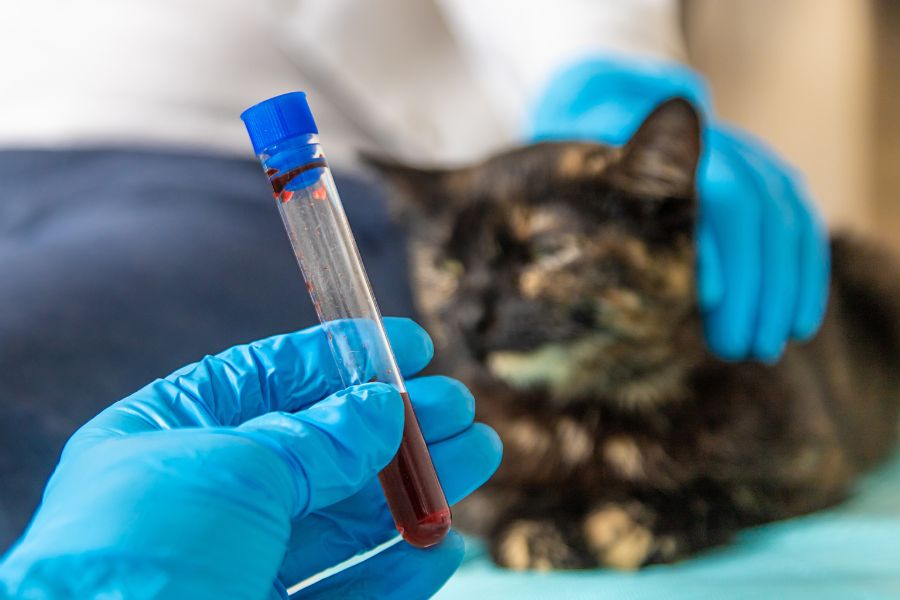


Your pet can appear perfectly healthy while a health problem is developing beneath the surface. That is one reason routine veterinary visits often include more than a physical exam. Annual diagnostic tests for pets can give your veterinarian useful information about organ function, blood cells, urine, and other parts of your pet’s health. At Sangaree Animal Hospital in Summerville, SC, routine screening can help establish a baseline and identify changes that may not be obvious at home. Not every pet needs every test every year, but understanding the most common options can help you have a better conversation with your veterinarian. Here are eight diagnostic tests your vet may consider based on your pet’s age, lifestyle, and health history.
What Annual Diagnostic Tests Do Pets Need?
There is no single testing schedule that fits every dog or cat. Your veterinarian may recommend different tests based on your pet’s age, symptoms, medications, previous results, and risk factors.
Common annual or periodic tests may include:
- Complete blood count
- Blood chemistry testing
- Urinalysis
- Heartworm testing
- Fecal testing
- Thyroid testing
- Blood pressure measurement
- Additional imaging or testing when indicated
The goal is not to order unnecessary tests. Instead, your veterinarian uses your pet’s history and exam findings to decide which screening tools can provide useful information.
What Does a Complete Blood Count Check?
A complete blood count, often called a CBC, looks at different types of blood cells. Red blood cells help carry oxygen, white blood cells are involved in immune responses, and platelets help with normal clotting.
A CBC can provide clues about problems such as anemia, inflammation, infection, or changes in blood cell numbers. Results are interpreted alongside your pet’s symptoms and physical examination.
For example, a senior dog may seem slightly less energetic than usual. A physical exam may not reveal an obvious reason, but blood testing could show a change that deserves further investigation. Finding that change early gives your veterinarian a starting point for the next step.
What Does Blood Chemistry Testing Tell Your Vet?
Blood chemistry testing provides information about several organs and body systems. Depending on the panel, it can help assess areas such as the liver, kidneys, blood sugar, proteins, and electrolytes.
These results are especially useful when establishing a baseline for an apparently healthy pet. A future result can then be compared with previous values, making trends easier to identify.
Blood chemistry may be particularly helpful for older pets or pets taking long-term medications. The exact tests included can vary, so ask your veterinarian what your pet’s panel measures.
Why Is Urinalysis Important for Pets?
Urinalysis examines your pet’s urine for changes in concentration, cells, proteins, glucose, and other findings. It can provide valuable information about urinary tract and kidney health.
Some pets with urinary problems do not show obvious signs at first. A urine sample may reveal an abnormality that deserves additional testing.
Your veterinarian may recommend urinalysis along with bloodwork because the two tests provide different types of information. Together, they can give a more complete picture of certain health concerns.
What Other Screening Tests Might Your Pet Need?
Depending on where your pet lives, age, lifestyle, and health history, your veterinarian may recommend additional screening.
These can include:
- Heartworm testing, when appropriate based on your pet’s risk.
- Fecal testing, which checks for intestinal parasites and other findings.
- Thyroid testing, especially when signs suggest a thyroid disorder.
- Blood pressure checks, particularly for older pets or those with certain conditions.
- Imaging, such as X-rays or ultrasound, when the physical exam or symptoms call for a closer look.
These tests are not automatically necessary for every pet at every annual visit. Your veterinarian chooses them based on what makes sense for your individual pet.
How Do Vets Decide Which Tests Your Pet Needs?
Your vet in Summerville starts with a physical examination and health history. Age, breed, lifestyle, previous illnesses, current medications, appetite, weight, and changes in behavior can all affect the testing plan.
Routine diagnostic testing can also create a useful baseline. If your pet develops a problem later, having older results can help your veterinarian recognize what has changed.
A hypothetical example is a seven-year-old cat that appears healthy during its annual visit. The owner reports no obvious concerns, but routine screening shows a mild change that was not visible at home. The veterinarian recommends follow-up testing and monitoring rather than waiting for more obvious symptoms to appear.
That is one of the practical benefits of preventive diagnostics. Testing does not replace a physical exam, but it can add information that cannot be gathered by looking at your pet alone.
How Can Pet Owners Prepare for Testing?
Most diagnostic tests are straightforward, but preparation can vary. Some blood tests may require specific instructions about food, while urine or fecal samples may need to be collected in a certain way.
Before your appointment:
- Ask whether your pet should eat normally.
- Bring a fresh sample if your veterinarian requests one.
- Provide a list of current medications and supplements.
- Mention any recent appetite, weight, or behavior changes.
- Bring previous test results if they were performed elsewhere.
Following preparation instructions helps reduce delays and makes test results easier to interpret.
When Should Your Pet Have More Than Annual Testing?
Annual testing is a general guideline, not a rule that applies to every pet. Puppies, kittens, senior pets, pets with chronic conditions, and pets taking certain medications may need testing more often.
You should also contact your veterinarian when your pet develops a new concern rather than waiting for the next yearly appointment.
Watch for:
- Unexplained weight loss or gain
- Changes in thirst or urination
- Reduced appetite
- Repeated vomiting or diarrhea
- Persistent coughing
- Changes in energy
- Sudden behavior changes
If something seems different, tell your veterinarian. Additional testing may be appropriate even if your pet’s last annual screening was normal.
Conclusion
Routine annual diagnostic tests for pets can give your veterinarian valuable information that a physical exam alone may not provide. Bloodwork, urine testing, parasite screening, blood pressure checks, and other diagnostics can be selected based on your pet’s individual needs. The goal is not to perform every available test, but to choose useful screening based on age, lifestyle, history, and health status. If you are looking for a vet near you, then Sangaree Animal Hospital in Summerville, SC, can help determine which diagnostic tests make sense for your pet and how often they should be performed. Regular monitoring also gives your veterinarian previous results to compare when your pet’s health changes.
FAQs
Q1: What are annual diagnostic tests for pets?
A: They are health screening tests that may be performed periodically to look for changes that are not always visible at home. Common examples include bloodwork and urinalysis.
Q2: Does my healthy pet really need annual bloodwork?
A: A healthy-looking pet can still have early changes that are difficult to detect at home. Your veterinarian can decide whether bloodwork is useful based on your pet’s age and health history.
Q3: How long do routine pet diagnostic tests take?
A: Some tests can be performed quickly during a veterinary visit, while others may require samples to be sent to a laboratory. Your veterinary team can explain the expected timing for your pet’s tests.
Q4: Are annual diagnostic tests expensive?
A: Costs vary depending on which tests your pet needs and whether laboratory or imaging services are involved. Ask your veterinary team for an estimate before testing.
Q5: When should my pet have diagnostic testing sooner than once a year?
A: New symptoms such as weight loss, appetite changes, increased thirst, abnormal urination, repeated vomiting, or reduced energy may warrant earlier testing. Contact your veterinarian if you notice a significant change.