When your dog or cat has a skin problem, an ear infection, or another illness that does not improve as expected, your veterinarian may recommend a bacterial culture. This test helps identify bacteria that may be causing an infection and, when paired with sensitivity testing, can show which antibiotics are likely to work against them. It can be especially useful when an infection keeps returning or the right treatment is unclear. A bacterial culture for pets is not needed for every illness, but it can provide important information when routine treatment is not enough. At Sangaree Animal Hospital in Summerville, SC, understanding why a test is recommended can help you feel more prepared for your pet’s diagnostic plan and follow-up care.
What Is a Bacterial Culture for Pets?
A bacterial culture is a laboratory test that checks a sample from your pet for bacteria that can grow under specific testing conditions. If bacteria grow, the laboratory can identify the organism and may perform sensitivity testing to help determine which antibiotics are likely to be effective.
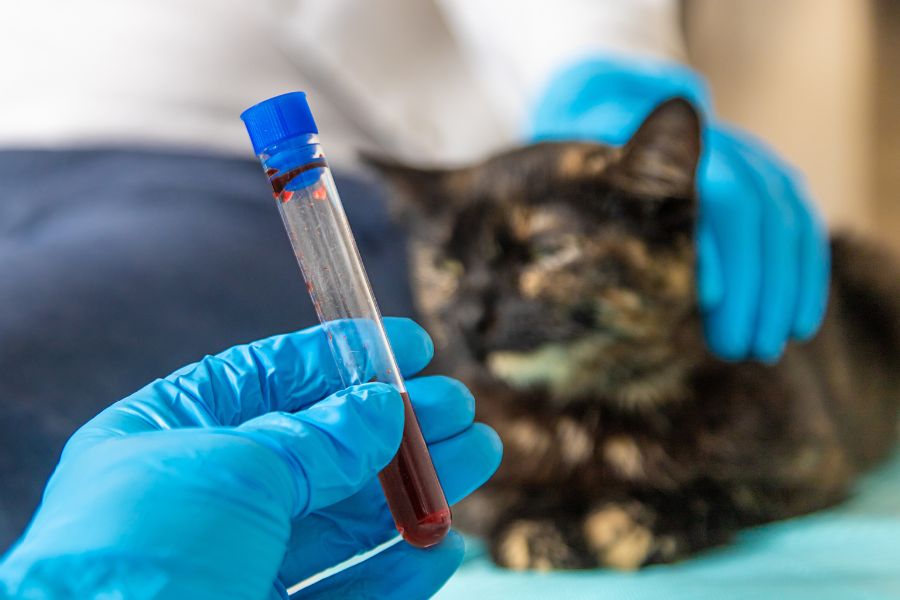
Your veterinarian may collect a sample from an infected wound, an ear, urine, or another area based on your pet’s symptoms. The sample is sent to a laboratory, where it is processed and observed for bacterial growth. If relevant bacteria are found, additional testing may help guide treatment.
A culture is different from a general physical examination. During an examination, the veterinarian looks for signs of illness and considers your pet’s history. A culture provides more specific information about bacteria in the sampled area.
It is also different from a test that simply detects inflammation. Redness, swelling, discharge, or discomfort can occur with bacterial infections, but they can also result from allergies, irritation, injury, or other conditions. A culture can help clarify whether bacteria are involved.
Your veterinarian may recommend this test when:
- An infection is not improving with the current treatment.
- The same infection keeps coming back.
- An infection appears severe or complicated.
- There is concern that bacteria may resist certain antibiotics.
- The sample comes from a site where identifying the organism is especially important.
- Your pet has a history that makes choosing treatment more complicated.
Not every suspected infection requires a culture. Your veterinarian will consider the symptoms, the location of the problem, the likely causes, and whether the test’s results are likely to change the treatment plan.
Why Would a Veterinarian Recommend a Bacterial Culture?
Your veterinarian may recommend a bacterial culture when identifying the bacteria could help select the right treatment or explain why a problem has not improved. The test can be particularly useful for recurring infections, complicated wounds, certain urinary tract problems, and cases where antibiotic resistance is a concern.
1. The infection keeps returning
Some pets experience repeated ear, skin, or urinary problems. The signs may improve with treatment and then return after a short time. A culture can help determine whether bacteria are still involved and whether the organism is susceptible to the medication being considered.
However, repeated symptoms do not always mean the original infection was never cleared. Allergies, skin conditions, anatomical factors, and other underlying problems can contribute to recurrence. Your veterinarian may recommend additional testing to investigate these possibilities.
2. The first treatment has not worked
If your pet’s symptoms do not improve as expected, the original diagnosis or treatment plan may need another look. A culture can help identify bacteria that are not responding to a particular antibiotic.
Your veterinarian may also review whether the medication was given as directed, whether the infection is located in a difficult-to-treat area, and whether another condition is contributing to the problem. Do not stop, change, or extend prescribed medication without veterinary guidance.
3. The infection may be complicated
Deep wounds, certain surgical-site problems, and infections involving specific body systems may need more detailed investigation. Identifying the bacteria can help the veterinarian choose an appropriate treatment plan and determine whether additional procedures or monitoring are needed.
4. Antibiotic resistance is a concern
Some bacteria are resistant to certain antibiotics. This means a medication that might normally work may not control that particular organism. Culture and sensitivity testing can help your veterinarian avoid relying on an antibiotic that is unlikely to be effective.
The test is not about choosing the strongest medication. It is about selecting an appropriate treatment based on the infection, the laboratory findings, and your pet’s overall condition.
What Is the Difference Between a Bacterial Culture and Sensitivity Testing?
A bacterial culture and sensitivity testing are often performed together, but they answer different questions. The culture looks for bacteria and helps identify the organism. Sensitivity testing checks how the identified bacteria respond to selected antibiotics in laboratory conditions.
| Test | What it helps determine | Why it matters |
|---|---|---|
| Bacterial culture | Whether bacteria grow from the sample and, when possible, which bacteria are present | Helps clarify the cause of certain suspected infections |
| Sensitivity testing | Which tested antibiotics are likely to inhibit the identified bacteria | Helps guide antibiotic selection |
| Physical examination | What symptoms and changes are present in your pet | Helps the veterinarian assess the problem and choose appropriate tests |
| Other diagnostic tests | Whether additional causes or complications may be involved | Can help build a more complete picture of your pet’s condition |
Sensitivity results are useful, but they do not automatically determine the final prescription. The veterinarian must consider the infection site, the pet’s health, how the medication reaches the affected area, possible side effects, and other clinical factors.
For example, a laboratory may report that a bacterium is susceptible to a certain antibiotic under test conditions. The veterinarian still needs to decide whether that medication is appropriate for the particular animal and infection.
Likewise, a negative culture does not always mean that no infection is present. The sample may contain too few organisms to grow, the bacteria may be difficult to culture, or treatment before sample collection may affect the result. Your veterinarian may recommend repeating the sample or using another diagnostic method if the findings do not match your pet’s symptoms.
How Is a Bacterial Culture Collected From a Dog or Cat?
The sample collection method depends on where the suspected infection is located. Your veterinarian will choose a method that is appropriate for the affected area and the type of information needed.
Common examples include:
- Skin or wound samples: A veterinarian may collect material from a suitable area of the wound or obtain a deeper sample when necessary.
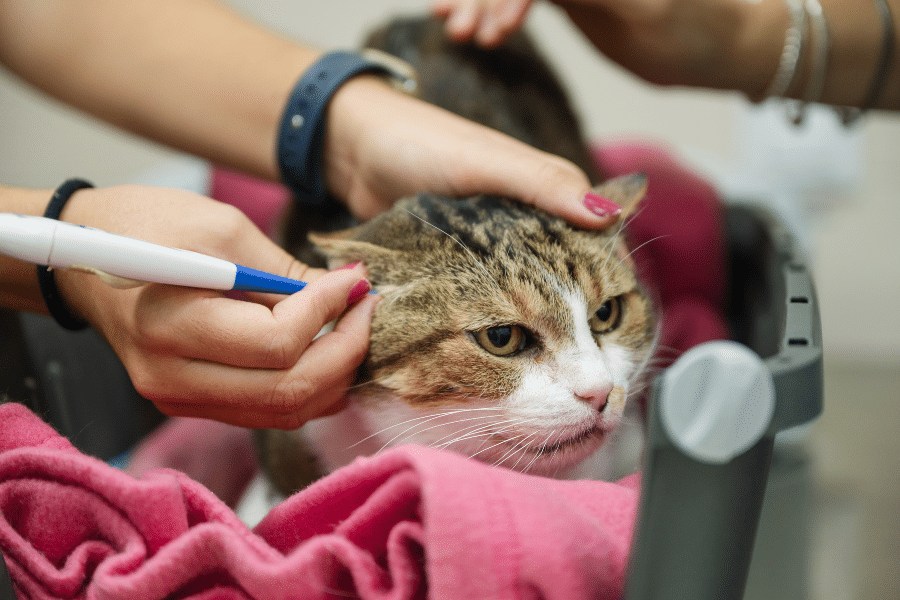
- Ear samples: Material from the ear canal may be collected when a bacterial infection is suspected.
- Urine samples: Urine may be collected using a method designed to reduce contamination, depending on the situation.
- Other body sites: Samples from deeper tissues or specific body systems may require additional preparation or a specialized collection method.
The collection process may be quick, or it may require additional handling if the sample needs to come from a deeper or sensitive area. Some procedures may require sedation or other support to keep your pet comfortable and allow the sample to be collected safely.
Sample quality matters. If bacteria from the skin or surrounding environment enter the sample, they can sometimes complicate the interpretation. The veterinarian and laboratory use appropriate collection and handling methods to reduce this risk.
In some cases, your veterinarian may recommend collecting the sample before starting antibiotics, if doing so is safe for your pet. Antibiotics can reduce bacterial growth and may make a culture harder to interpret. However, treatment should not be delayed when your pet needs prompt care. The veterinarian will weigh the value of testing against the need to begin treatment.
Hypothetical case example
A dog has a recurring skin sore that improves during treatment but returns a few weeks later. The veterinarian examines the area, considers possible underlying causes, and recommends collecting a sample for bacterial culture and sensitivity testing. The laboratory identifies a bacterium and reports its response to the antibiotics tested, helping the veterinarian choose a more suitable treatment plan while also addressing factors that may be contributing to the recurring sore.
This is a hypothetical example, not a report of a specific patient. It illustrates how culture results can support a more targeted approach when an infection does not follow the expected course.
How Long Does It Take to Get Bacterial Culture Results?
Bacterial culture results often take several days, but the exact time depends on the sample, the type of bacteria, and whether additional identification or sensitivity testing is needed. Some organisms grow quickly, while others take longer or require specialized laboratory methods.
Your veterinary team may provide updates in stages. An early report may indicate whether bacterial growth has been detected, while the final report may include the organism’s identity and sensitivity findings.
During this waiting period, follow the treatment and monitoring instructions provided by your veterinarian. Depending on your pet’s condition, treatment may begin before the final report is available. In other cases, the veterinarian may recommend waiting for results if that is considered safe.
Contact the clinic if your pet’s condition worsens while you are waiting. Do not assume that you should wait for the laboratory report before seeking help for new or severe symptoms.
Your veterinarian may also contact you after reviewing the results to explain what they mean and whether the plan needs to change. If the findings do not clearly explain your pet’s symptoms, additional testing may be recommended.
Remember that laboratory reports can include technical terms. Ask your veterinarian to explain the main findings, which results are clinically important, and what you should do next.
What Do Bacterial Culture Results Mean for Your Pet’s Treatment?
The results help your veterinarian understand which bacteria were found in the sample and how they responded to the antibiotics tested. The veterinarian then considers these findings alongside the examination, your pet’s medical history, and the location and severity of the infection.
A report may show that a bacterium is susceptible to a tested antibiotic, meaning the laboratory findings suggest the medication is likely to work against it under the test conditions. It may also show reduced susceptibility or resistance, which can make some treatment options less suitable.
The result does not mean your pet should automatically receive a particular medication. The best choice depends on more than the laboratory report alone.
Your veterinarian may use the findings to:
- Select an antibiotic that is more likely to be effective.
- Avoid a medication that is unlikely to work against the identified bacteria.
- Review whether the original treatment needs to change.
- Decide whether further testing or a procedure is needed.
- Monitor your pet’s response and adjust the plan when appropriate.
Some infections also require care beyond antibiotics. A wound may need cleaning or drainage, while a recurring skin problem may need investigation for allergies or another underlying cause. Treating the contributing condition can be important for preventing the problem from returning.
If your pet receives antibiotics, give the medication exactly as prescribed. Do not change the dose, use leftover medication, or share a prescription between pets. Contact your veterinarian if you notice possible side effects or have difficulty giving the medication.
When Should You Ask Your Veterinarian About a Bacterial Culture?
A bacterial culture may be worth discussing if your pet has repeated infections, symptoms that do not improve, or a problem that seems more complicated than expected. It is not necessary for every skin irritation, ear problem, or episode of urinary discomfort, so the decision should be based on your pet’s individual needs.
Arrange a veterinary examination if your pet has:
- A wound that is becoming more swollen, painful, or red.
- Discharge, a persistent bad smell, or a sore that does not heal.
- Repeated ear discomfort, discharge, or head shaking.
- Frequent or painful urination.
- Symptoms that return after treatment.
- A suspected infection that is not improving as expected.
Some signs need more urgent attention. Difficulty breathing, collapse, severe weakness, inability to pass urine, or rapidly worsening illness should not wait for a routine appointment or a culture result.
Before the appointment, make a note of when the symptoms began, whether they have happened before, and which treatments your pet has received. Bring medication details if available. This information can help your veterinarian decide whether culture testing or another diagnostic approach is appropriate.
Do not start leftover antibiotics or use medication prescribed for another animal. Doing so may affect test results, delay the right treatment, or cause side effects.
Conclusion
A bacterial culture can help your veterinarian identify bacteria involved in certain infections and, when combined with sensitivity testing, choose a treatment that is more likely to work. It can be especially helpful when infections recur, fail to improve, or raise concerns about antibiotic resistance. The test is only one part of the diagnostic process, so your pet’s symptoms, examination findings, and overall health still matter. If your veterinarian recommends a culture, ask what the test is expected to clarify, how long results may take, and how the findings could affect the treatment plan. For questions about your pet’s symptoms or diagnostic options, contact a veterinarian near you at Sangaree Animal Hospital in Summerville, SC, to discuss the next steps.
FAQs
Q1: What is a bacterial culture test for dogs and cats?
A: A bacterial culture is a laboratory test that checks a sample from your pet for bacteria that can grow under specific conditions. If bacteria are found, the laboratory may identify the organism and perform sensitivity testing. The results can help your veterinarian choose an appropriate treatment.
Q2: Why would a veterinarian recommend a bacterial culture for my pet?
A: Your veterinarian may recommend a culture if an infection keeps returning, does not improve as expected, or may involve bacteria resistant to certain antibiotics. It can also be useful for some complicated wounds or other suspected infections. Whether testing is needed depends on your pet’s symptoms and examination findings.
Q3: Does a bacterial culture tell the veterinarian which antibiotic to use?
A: Culture and sensitivity results can help show which tested antibiotics are likely to work against the identified bacteria. However, the veterinarian must also consider the infection site, your pet’s health, and other clinical factors. The laboratory report supports the decision but does not replace veterinary judgment.
Q4: How long do bacterial culture results take?
A: Results often take several days, although timing depends on the sample and the bacteria involved. Sensitivity testing or additional identification may take longer. Follow your veterinarian’s instructions while waiting, and seek advice promptly if your pet’s condition worsens.
Q5: Can Sangaree Animal Hospital help determine whether my pet needs a bacterial culture?
A: Sangaree Animal Hospital can examine your pet’s symptoms and discuss whether bacterial culture testing may be useful. The veterinarian will consider your pet’s medical history, the suspected infection, and previous treatment before recommending diagnostic steps. If your pet has worsening symptoms, contact the clinic rather than waiting for the problem to resolve on its own.