

As pets grow older, their nutritional needs can change just as much as their activity levels. A dog that once needed a high-calorie diet may now gain weight more easily, while an older cat may need extra support to maintain muscle and energy. Choosing the right senior pet nutrition plan can help support healthy aging and keep your pet feeling comfortable. At Sangaree Animal Hospital in Summerville, SC, we know that nutrition is not one-size-fits-all. Your pet’s age, size, activity, body condition, and health history all matter when choosing food. This guide explains what older pets may need, common feeding concerns, and how your veterinarian can help you build a practical nutrition plan.
What Is the Best Nutrition for Senior Pets?
The best nutrition for a senior pet is a complete, balanced diet that matches the pet’s age, body condition, activity level, and individual health needs. Older pets may need careful control of calories while still getting enough high-quality nutrients to maintain muscle and overall health.
Aging does not automatically mean your pet needs a special food. Some senior pets do well on the diet they have eaten for years, while others benefit from a nutritional change. The right choice depends on what your veterinarian finds during routine exams and whether your pet has developed health concerns.
Several factors can affect an older pet’s diet:
- Body weight: Extra weight can put more strain on aging joints and reduce mobility.
- Muscle condition: Older pets can lose muscle if they are not getting enough appropriate nutrition.
- Activity level: A less active pet may need fewer calories than it did when younger.
- Dental health: Tooth or mouth problems can make certain foods harder to eat.
- Health conditions: Some medical problems require specific dietary adjustments.
For example, a senior dog that spends most of the day sleeping may not need the same calorie intake as an active younger dog. Feeding the same amount simply because the portion has not changed can gradually lead to weight gain.
What Nutrients Do Older Dogs and Cats Need?
Senior pets still need balanced nutrition, but the ideal amount of each nutrient can vary. Protein is especially important because aging pets can be more prone to muscle loss. However, the right amount and type of protein should be considered alongside your pet’s overall health.
A healthy senior diet may also provide appropriate levels of fat, carbohydrates, vitamins, minerals, and essential fatty acids. Water is equally important, especially for cats, which may not always drink enough on their own.
Look for food that provides:
- Complete and balanced nutrition appropriate for your pet.
- Adequate protein to support healthy muscle.
- Controlled calories if your pet is prone to weight gain.
- Appropriate fat levels based on activity and health.
- Good palatability, especially if your pet has become a picky eater.
Food labels can help, but they do not tell the entire story. Your veterinarian can help you decide whether a particular diet fits your pet rather than choosing food based only on marketing terms.
How Does Nutrition Change as Pets Get Older?
Senior pets often become less active. This means they may burn fewer calories, even though they continue to ask for treats or eat the same meals. Over time, this can lead to gradual weight gain that is easy to miss.
On the other hand, some older pets lose weight or muscle. A decrease in appetite should not automatically be blamed on aging. Changes in eating habits can sometimes point to dental problems, digestive issues, pain, or another medical concern.
Watch for changes such as:
- Eating more or less than usual
- Drinking noticeably more or less
- Weight gain or unexplained weight loss
- Difficulty chewing
- Losing muscle over the back or legs
- Becoming unusually picky about food
- Trouble eating dry food
A change in appetite deserves attention, especially when it happens along with other changes in behavior or energy.
How Can Your Vet Help With Senior Pet Nutrition?
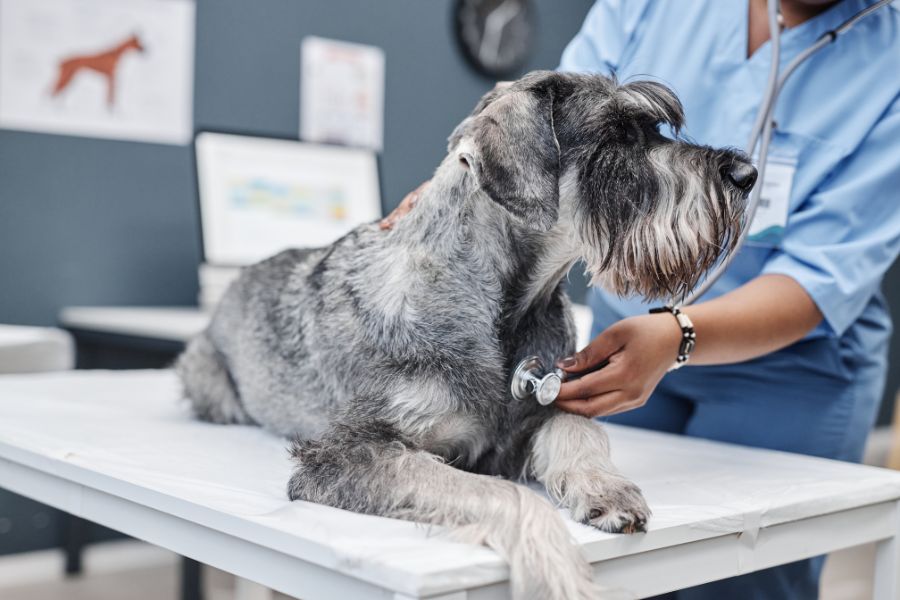
A veterinarian can assess your pet’s weight, muscle condition, lifestyle, and health history before recommending a dietary plan. Bloodwork or other testing may also be appropriate when an older pet has weight changes, appetite changes, or other symptoms.
Consider this example: an older cat begins eating normally but slowly loses weight over several months. During an exam, the veterinarian notices reduced muscle along the back and recommends further evaluation rather than simply adding more food. The results help guide the nutritional plan and allow the underlying concern to be addressed.
That approach matters because increasing calories is not always the right answer. A senior pet may need a different balance of nutrients, portion adjustment, or treatment for an underlying problem.
Your veterinarian may also recommend monitoring your pet’s weight and body condition regularly. Small adjustments can be easier and more effective than waiting until a major change occurs.
What Can Pet Owners Do at Home?
Good nutrition starts with consistency. Measure meals rather than estimating portions, especially if your pet is gaining weight. Treats should also be considered when looking at your pet’s overall daily calorie intake.
Simple habits can make feeding easier:
- Keep meal times consistent.
- Measure your pet’s food.
- Provide fresh water every day.
- Limit excessive table scraps.
- Track changes in weight and appetite.
- Avoid making sudden diet changes unless advised.
- Keep notes about new digestive or eating problems.
Food should also be stored properly to maintain freshness. If your pet suddenly refuses a familiar food, do not assume the food itself is the problem. A veterinarian can help determine whether a health issue may be affecting appetite.
When Should You Talk to a Vet About Your Pet’s Diet?
A nutrition discussion is especially useful when an older pet has a noticeable change in weight, appetite, thirst, stool, energy, or eating habits. These changes may indicate that your pet needs more than a simple food adjustment.
Contact your veterinarian if your senior pet:
- Loses weight without an obvious reason
- Stops eating or eats much less
- Has repeated digestive problems
- Struggles to chew or swallow
- Gains weight despite normal portions
- Loses noticeable muscle
- Shows a sudden change in thirst or appetite
Early evaluation can help separate normal aging from a health concern. Your veterinarian can then build a nutrition plan around your pet’s actual needs.
Conclusion
Good senior pet care is about more than choosing a food labeled for older pets. Your pet’s weight, muscle condition, activity level, appetite, dental health, and medical history all help determine what diet makes sense. Portion control and regular monitoring can also prevent small changes from becoming larger problems. If your older pet is losing weight, gaining weight, eating differently, or struggling with meals, it is worth discussing the change with your veterinarian in Summerville. Sangaree Animal Hospital in Summerville, SC, can help you understand your pet’s changing nutritional needs and make practical choices for daily feeding. A thoughtful nutrition plan can support comfort, strength, and a better quality of life as your pet ages.
FAQs
Q1: What is senior pet nutrition?
A: Senior pet nutrition refers to feeding choices designed around an older pet’s changing calorie, nutrient, and health needs. The best diet depends on the individual pet rather than age alone.
Q2: Should older pets eat more protein?
A: Many aging pets need adequate protein to help maintain muscle, but the ideal amount depends on the pet’s health. Your veterinarian can help determine what is appropriate.
Q3: Should I change my pet’s food when they become a senior?
A: Not always. Some pets do well on their existing diet, while others benefit from a change based on weight, activity, appetite, or health concerns.
Q4: How often should I review my senior pet’s diet?
A: Discuss nutrition during routine veterinary visits and whenever your pet’s weight, appetite, activity, or health changes. Older pets may need dietary adjustments over time.
Q5: When should I see a vet about my senior pet’s eating habits?
A: See a veterinarian if your pet stops eating, loses weight unexpectedly, gains weight rapidly, has trouble chewing, or develops a noticeable change in appetite.