
Bringing a senior cat into your home means watching them slow down over time, but not every change is simply part of aging. If your older cat hesitates before jumping, struggles to climb stairs, or starts limping, arthritis pain in senior cats may be the reason. This common condition can affect your cat’s comfort and quality of life, but early care can make a meaningful difference. At Sangaree Animal Hospital in Summerville, SC, many families are surprised to learn that limping often has a treatable cause. This guide explains why arthritis develops, the signs to watch for, treatment options, and how veterinary care can help your cat stay active.
Why Is My Senior Cat Limping?
A senior cat that suddenly or gradually begins limping should always be evaluated by a veterinarian. While arthritis is one of the most common causes, limping can also result from injuries, infections, or other joint problems. The sooner the cause is identified, the sooner your cat can receive the right treatment.
Cats are experts at hiding pain. Unlike dogs, they rarely cry or obviously favor one leg for long periods. Instead, you may notice subtle changes in their daily routine.
Some common signs include:
- Jumping onto furniture less often
- Walking more slowly
- Stiffness after resting
- Sleeping more than usual
- Reluctance to climb stairs
- Irritability when touched
- Grooming less, especially around the back or hips
Because these signs often appear gradually, many owners mistake them for normal aging rather than discomfort.
What Causes Arthritis Pain in Senior Cats?
Arthritis pain in senior cats develops when the protective cartilage inside a joint gradually wears down. Without this smooth cushion, bones rub together, causing inflammation, stiffness, and pain during movement.
Several factors increase the risk.
Aging
The biggest risk factor is simply getting older. Years of normal movement slowly wear on the joints.
Previous Injuries
Cats that have experienced fractures, sprains, or joint trauma earlier in life may develop arthritis sooner.
Excess Weight
Carrying extra body weight places additional stress on already aging joints.
Joint Abnormalities
Some cats are born with joint conditions that become more noticeable as they age.
Lifestyle
Indoor and outdoor cats alike can develop arthritis. Active cats may place more wear on certain joints, while inactive cats may lose muscle support around affected joints.
Although arthritis cannot be reversed, early treatment often slows progression and greatly improves comfort.
Signs and Symptoms to Watch For
Recognizing arthritis early allows your veterinarian to begin treatment before pain becomes severe.
Some signs are obvious, while others are easy to overlook.
Physical signs
- Limping in one or more legs
- Difficulty standing up
- Stiff walking
- Reduced jumping ability
- Trouble climbing stairs
- Muscle loss around the hips or shoulders
Behavioral changes
- Hiding more often
- Sleeping longer
- Less interest in play
- Avoiding interaction
- Changes in litter box habits
- Increased sensitivity when picked up
Cats sometimes avoid the litter box because climbing into a high-sided box becomes painful, not because of a behavioral problem.
Many owners only recognize these changes after looking back over several months.
How Vets Diagnose and Treat Arthritis Pain in Senior Cats
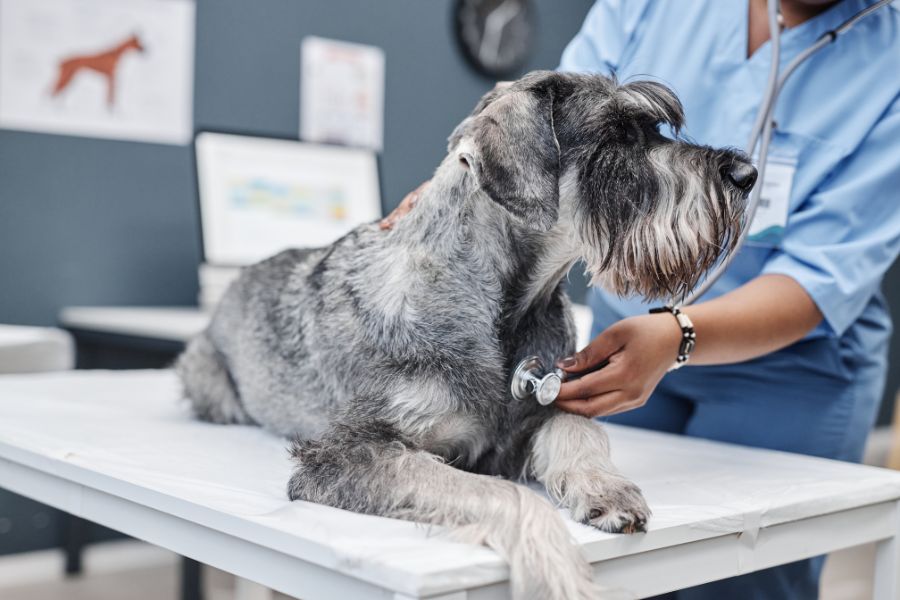
Diagnosing arthritis pain in senior cats starts with a complete physical examination. Your veterinarian evaluates how your cat walks, checks each joint for swelling or discomfort, and reviews any changes you’ve noticed at home.
Depending on the examination findings, additional diagnostics may include:
- Orthopedic examination
- Joint flexibility assessment
- X-rays to evaluate bone and joint changes
- Blood work to assess overall health before treatment
One common example involves a 13-year-old indoor cat that gradually stopped jumping onto the family bed and began limping after naps. During the examination, the veterinarian found decreased flexibility in both hips and mild pain in the knees. After confirming arthritis, the cat started a personalized pain management plan, weight monitoring, and environmental adjustments. Within several weeks, the family noticed their cat climbing furniture again and becoming more social.
Treatment is customized because every cat experiences arthritis differently.
Common treatment options include:
- Prescription pain medications
- Anti-inflammatory medications when appropriate
- Joint-support supplements recommended by your veterinarian
- Weight management plans
- Physical rehabilitation exercises
- Environmental modifications at home
Many cats benefit most from combining several therapies rather than relying on only one approach.
What Pet Owners Can Do at Home
Although veterinary treatment is essential, there are several ways you can help manage arthritis pain in senior cats at home. Small adjustments often make daily activities much easier and reduce stress on painful joints.
Consider these simple changes:
- Place food and water bowls where your cat does not need to climb stairs.
- Use low-sided litter boxes for easier access.
- Add soft bedding in warm, quiet sleeping areas.
- Place ramps or pet stairs near favorite furniture.
- Keep floors free of slippery rugs or obstacles.
- Encourage gentle daily movement with interactive toys.
Maintaining a healthy body weight is one of the most important things you can do. Even a small amount of extra weight increases pressure on sore joints and can make limping worse. Your veterinarian can recommend an appropriate diet and feeding plan based on your cat’s age, weight, and overall health.
Avoid giving human pain medications unless specifically instructed by your veterinarian. Many medications that are safe for people can be extremely dangerous for cats.
Regular observation also helps. Keep track of changes in your cat’s mobility, appetite, grooming habits, and activity level so you can report them during veterinary visits.
What to Expect During Arthritis Care at Our Clinic
Managing arthritis is not a one-time appointment. It is an ongoing partnership focused on keeping your cat comfortable as they age.
During your visit, your veterinary team will:
- Review your cat’s medical history
- Discuss changes you’ve noticed at home
- Perform a thorough physical examination
- Evaluate joint movement and muscle condition
- Recommend diagnostic testing if needed
- Develop a personalized treatment plan
Every treatment plan is different because every cat experiences arthritis differently. Some cats respond well to medication alone, while others benefit from combining pain management, weight control, nutritional support, and home modifications.
Follow-up visits are equally important. Arthritis changes over time, so treatment plans may need adjustments to continue providing the best possible pain relief.
The goal is not simply to reduce limping. The goal is to help your cat enjoy climbing, grooming, playing, and relaxing with less discomfort.
Benefits of Early Arthritis Treatment
Many owners assume arthritis is something cats simply have to live with. Fortunately, that is not the case.
Treating arthritis early offers several benefits:
- Better pain control
- Improved mobility
- Increased activity levels
- Easier movement around the home
- Better grooming habits
- Improved quality of life
- Slower progression of joint discomfort
Cats that receive early care often remain more active and engaged with their families than those whose pain goes untreated.
Pain management also helps preserve muscle strength. When painful joints discourage movement, muscles gradually weaken, making mobility even more difficult. Breaking this cycle early can have lasting benefits.
How to Know If Your Cat Needs Veterinary Care
Not every limp is caused by arthritis, but every persistent limp deserves veterinary attention.
Schedule an appointment if your cat:
- Has been limping for more than 24 hours
- Suddenly refuses to bear weight on a leg
- Cries when walking or being touched
- Stops eating or drinking
- Shows visible swelling
- Has difficulty standing
- Becomes unusually withdrawn
- Experiences repeated episodes of limping
Seek immediate veterinary care if the limp follows trauma, a fall, or if your cat appears unable to move comfortably.
Prompt evaluation helps rule out fractures, infections, ligament injuries, and other conditions that may require different treatment than arthritis.
Conclusion
Limping should never be dismissed as a normal part of aging. Arthritis pain in senior cats is common, but it is also manageable when diagnosed early and treated appropriately. Watching for subtle changes in mobility, grooming, and daily behavior allows you to recognize discomfort before it becomes severe. With personalized senior pet care, home adjustments, and ongoing monitoring, many cats continue living active and comfortable lives. If your senior cat has started limping or seems less active than usual, schedule an appointment with Sangaree Animal Hospital in Summerville, SC. Early evaluation can make a lasting difference in your cat’s comfort and quality of life.
FAQs
Q1: How do I know if my senior cat has arthritis or just old age?
A: Many signs that seem like normal aging, such as sleeping more, avoiding jumps, or moving slowly, can actually indicate arthritis. A veterinary examination is the best way to determine the cause and recommend appropriate treatment.
Q2: Can arthritis cause limping in cats?
A: Yes. Arthritis is one of the most common reasons older cats develop a limp. Joint inflammation and cartilage wear can make walking, climbing, and jumping painful.
Q3: What treatments are available for arthritis pain in senior cats?
A: Treatment may include prescription pain medications, anti-inflammatory therapies, weight management, joint-support supplements recommended by your veterinarian, physical rehabilitation, and home modifications. Your veterinarian will recommend the best combination for your cat.
Q4: Can arthritis in cats be cured?
A: Arthritis cannot be cured because damaged cartilage does not regenerate. However, early treatment can successfully reduce pain, improve mobility, and help maintain your cat’s quality of life.
Q5: When should I take my limping cat to the veterinarian?
A: If your cat continues limping for more than a day, refuses to bear weight, shows swelling, stops eating, or appears to be in pain, schedule a veterinary visit promptly. Immediate care is recommended after falls, injuries, or sudden severe limping.