

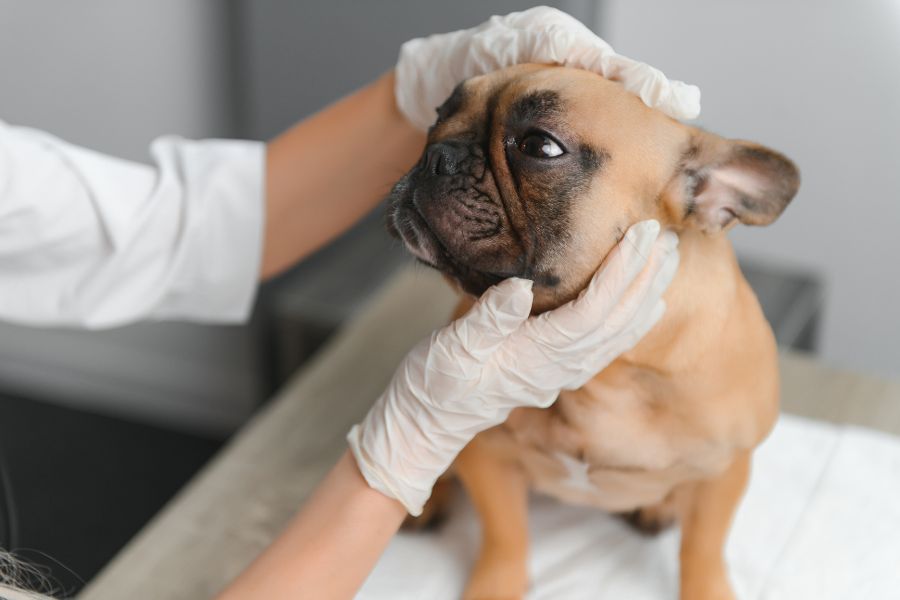
Many pet owners wonder how often they should take their pet to the vet to keep them healthy and happy. Regular veterinary visits play a major role in preventing diseases, detecting health problems early, and ensuring your pet lives a long life.
In this guide, we’ll explain the recommended vet visit schedule for dogs and cats, what happens during routine exams, and why consistent checkups are essential for pets in Summerville, SC. Whether you have a new puppy, a playful kitten, or a senior pet, understanding the right veterinary care routine will help you make the best decisions for their well-being.
Why Regular Vet Visits Are Important for Your Pet
Routine veterinary checkups are not just about vaccines. They help veterinarians monitor your pet’s overall health and detect problems before they become serious.
Regular visits help with:
- Early disease detection
- Preventive care and vaccinations
- Parasite control
- Dental health monitoring
- Weight and nutrition management
Pets often hide symptoms when they feel unwell. A veterinarian can notice subtle changes in your pet’s health during routine exams. This proactive approach can prevent costly treatments later.
For pet families living around Summerville and nearby communities like Sangaree, Nexton, and Knightsville, regular vet visits ensure pets stay healthy in a region where warm weather can increase risks of fleas, ticks, and heartworms.
How Often Should You Take Your Pet to the Vet
The general rule is at least once a year for healthy adult pets, but the exact schedule depends on your pet’s age, health status, and lifestyle.
Typical Vet Visit Schedule
Puppies and Kittens (0–1 year)
Young pets require frequent visits during their first year.
Recommended schedule:
- Every 3–4 weeks until about 16 weeks old
- Vaccinations and booster shots
- Growth monitoring
- Parasite prevention
These early visits build the foundation for lifelong health.
Adult Dogs and Cats (1–7 years)
Healthy adult pets should visit the vet once a year for a wellness exam.
Annual checkups typically include:
- Physical exam
- Vaccination updates
- Parasite screening
- Weight and nutrition review
- Dental evaluation
Even if your pet seems healthy, these visits are crucial for spotting hidden issues.
Senior Pets (7+ years)
Older pets age faster than humans, so twice-a-year checkups are often recommended.
Senior wellness exams may include:
- Bloodwork
- Urinalysis
- Arthritis screening
- Organ function tests
- Mobility assessment
Frequent monitoring helps catch age-related conditions like kidney disease, diabetes, or arthritis early.
What Happens During a Routine Vet Visit
A routine veterinary appointment is designed to evaluate your pet’s overall health.
Here’s what typically happens during a wellness exam:
1. Physical Examination
The veterinarian checks your pet from nose to tail, including:
- Eyes and ears
- Teeth and gums
- Skin and coat
- Heart and lungs
- Abdomen and joints
This helps identify any unusual changes.
2. Vaccination Review
Vaccines protect pets from serious diseases such as:
- Rabies
- Distemper
- Parvovirus
- Feline leukemia
Your veterinarian will recommend vaccines based on your pet’s lifestyle and local risks in Summerville, SC.
3. Parasite Prevention
Parasites are common in warm climates like South Carolina.
Your vet may recommend protection against:
- Fleas
- Ticks
- Heartworms
- Intestinal worms
Routine testing and preventive medications keep pets protected year-round.
4. Weight and Nutrition Evaluation
Obesity is a growing issue among pets.
During the visit, the vet may:
- Check your pet’s body condition score
- Recommend dietary adjustments
- Discuss exercise routines
Maintaining a healthy weight can significantly extend your pet’s lifespan.
5. Dental Health Check
Dental disease affects over 70% of pets by age three.
A routine exam helps detect:
- Tartar buildup
- Gum disease
- Loose or broken teeth
Early dental care prevents pain and infection.
Signs Your Pet Should See a Vet Sooner
Even with regular wellness visits, some symptoms require immediate attention.
Schedule a vet appointment if your pet shows:
- Loss of appetite
- Vomiting or diarrhea
- Sudden weight loss
- Difficulty breathing
- Excessive scratching
- Lethargy
- Changes in behavior
If something feels unusual, it’s always safer to consult a veterinarian.
How Vet Visits Help Prevent Expensive Emergencies
Preventive veterinary care is often more affordable than emergency treatment.
For example:
- Early dental cleaning prevents tooth extraction surgeries.
- Routine blood tests can detect kidney disease before symptoms appear.
- Parasite prevention reduces the risk of heartworm treatment, which can be costly.
Regular checkups help avoid unexpected medical emergencies and provide peace of mind for pet owners.
Tips to Make Vet Visits Easier for Your Pet
Some pets feel nervous during vet visits, but preparation can help.
Try these tips:
- Bring favorite treats or toys
- Use a comfortable carrier for cats
- Take your dog for a short walk before the appointment
- Stay calm and reassuring
Positive experiences at the vet make future visits easier.
Choosing the Right Veterinary Care in Summerville
Pet owners in Summerville, SC, have access to quality veterinary care, but finding a clinic that prioritizes preventive medicine and compassionate service is important.
Look for a veterinary hospital that offers:
- Comprehensive wellness exams
- Preventive care programs
- Diagnostic testing
- Dental care
- Emergency guidance
Regular checkups with a trusted veterinary hospital help ensure your pet stays healthy through every stage of life.
So, how often should you take your pet to the vet? Most healthy pets need a yearly checkup, while puppies, kittens, and senior pets require more frequent visits. These routine exams help detect health issues early, provide preventive care, and keep your pet living a long and happy life.
If you live in or around Summerville, SC, contact Sangaree Animal Hospital to get regular wellness visits, as this is one of the best ways to protect your pet’s health. Preventive care today can help your furry companion enjoy many healthy years ahead.
FAQs
Q1: How often should dogs go to the vet for checkups?
Ans: Dogs should visit the vet at least once a year for a wellness exam. Puppies and senior dogs usually need more frequent visits.
Q2: How often should indoor cats see a veterinarian?
Ans: Indoor cats should still have yearly vet checkups to monitor their health, update vaccines, and detect hidden issues early.
Q3: Do older pets need more frequent vet visits?
Ans: Yes, senior pets typically benefit from veterinary exams every six months to monitor age-related conditions.
Q4: What happens if I skip my pet’s annual vet visit?
Ans: Skipping routine exams may allow health problems to go unnoticed until they become serious or expensive to treat.
Q5: When should I take my pet to the vet immediately?
Ans: You should seek immediate veterinary care if your pet shows symptoms like difficulty breathing, repeated vomiting, sudden weakness, or severe pain.