

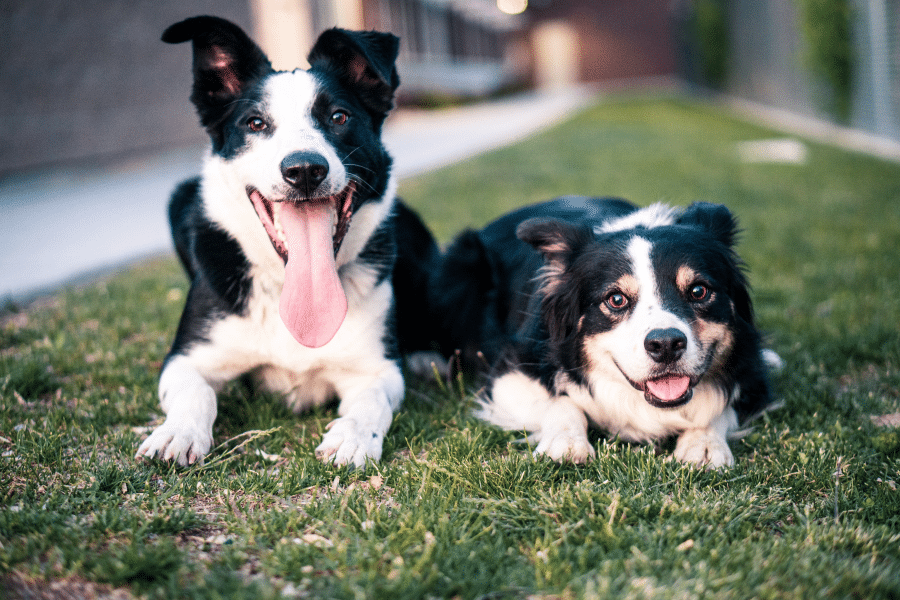
Some dogs seem to learn a new command after a few repetitions, while others appear to have their own plans. The hardest dog breeds to train are not necessarily bad dogs or poor companions. Many are intelligent, independent, energetic, sensitive, or bred to make decisions without waiting for a person. At Sangaree Animal Hospital in Summerville, SC, we often remind pet owners that training success depends on much more than breed. Your dog’s age, personality, environment, motivation, and past experiences all matter. Understanding why a dog may be challenging can make training less frustrating and help you choose methods that fit your pet. This guide looks at common training challenges and ways to build better communication with your dog.
What Are the Hardest Dog Breeds to Train?
Some breeds are commonly described as difficult to train because they can be highly independent, easily distracted, strong-willed, or less motivated by repetitive exercises. Breeds often discussed in this category include Afghan Hounds, Basenjis, Chow Chows, Beagles, and some working or hunting breeds.
However, breed does not determine behavior on its own. A dog from a breed known for being challenging may be extremely responsive, while an individual from an easy-to-train breed may struggle with certain behaviors.
Training difficulty often comes down to:
- Motivation: What rewards matter to your dog?
- Focus: Can your dog stay engaged around distractions?
- Energy: Does your dog have enough daily activity?
- Independence: Does your dog prefer making its own choices?
- Consistency: Are household rules clear and predictable?
Seeing these factors can help you train the dog in front of you rather than relying only on breed stereotypes.
Why Are Some Dog Breeds Difficult to Train?
Many challenging breeds were developed for jobs that required independence. A hunting dog may have been expected to follow a scent instead of constantly watching a handler. A livestock guardian may have needed to make decisions without direct instructions.
That history can affect modern behavior. A dog that seems stubborn may simply be highly motivated by its environment.
Common challenges include:
- Getting distracted outdoors
- Ignoring commands when something more interesting appears
- Becoming bored with repetitive exercises
- Pulling toward interesting smells
- Taking longer to respond consistently
- Testing household boundaries
Training becomes easier when the exercise fits the dog’s natural motivations. A scent-driven dog, for example, may respond better when training includes opportunities to sniff rather than expecting long periods of stillness.
Which Traits Can Make Training More Challenging?
Several personality traits can make training take more time. High energy is one. A dog with a lot of physical and mental energy may struggle to settle long enough to focus.
Sensitivity can create a different problem. Some dogs become nervous or shut down when training feels stressful. Strong corrections may make these dogs less willing to engage. Other dogs are simply very independent. They understand what you are asking but may not see a reason to do it immediately.
Helpful training qualities include:
- Short sessions
- Clear commands
- Consistent household rules
- Rewards your dog actually values
- Gradual increases in distractions
- Plenty of mental stimulation
The goal is not to overpower your dog. The goal is to make the desired behavior clear and worthwhile.
How Can You Train a Stubborn or Independent Dog?
Start in a quiet environment where your dog can focus. Reward the behavior you want and keep training sessions short enough that your dog remains interested.
For example, imagine a Beagle that knows “come” indoors but ignores the command at a park because every smell is more exciting. Practicing the command in increasingly distracting environments can help the dog learn that responding is rewarding even when interesting smells are nearby.
Avoid expecting a dog to move directly from a quiet living room to a busy park.
You can also:
- Practice one skill at a time.
- Reward immediately after the correct behavior.
- Keep sessions brief.
- Use everyday activities as training opportunities.
- End sessions on a successful repetition.
Progress may be uneven, and that is normal. Consistency matters more than trying to achieve perfect behavior in a single session.
Can Health Problems Affect Dog Training?
Yes. Pain, anxiety, hearing changes, vision changes, and other health concerns can affect how a dog responds during training. A dog that suddenly stops following familiar commands should not automatically be labeled stubborn.
Changes in behavior can sometimes be the first noticeable sign that something is wrong. A previously social dog that becomes irritable, avoids handling, or seems unusually reluctant to move may need a veterinary evaluation.
Training concerns are especially worth discussing with a veterinarian when behavior changes suddenly or occurs alongside physical symptoms. Identifying a health issue can change the entire training approach.
What Training Mistakes Should Owners Avoid?
Frustration can make training harder for both you and your dog. Repeating the same command over and over may teach your dog that responding immediately is not necessary.
Avoid these common mistakes:
- Training for too long
- Changing rules from one day to the next
- Expecting immediate results
- Using confusing commands
- Ignoring distractions
- Punishing behavior without teaching an alternative
Clear expectations help dogs understand what you want. Everyone in the household should use the same basic commands and rules.
When Should You Get Professional Help With Training?
Professional help can be useful when your dog’s behavior is difficult to manage or creates safety concerns. A qualified trainer or veterinary professional can help identify what may be contributing to the behavior.
Seek guidance if your dog:
- Shows aggression toward people or animals
- Guards food or objects
- Repeatedly attempts to escape
- Has severe fear or anxiety
- Cannot be safely handled
- Develops a sudden behavior change
Behavior problems are easier to address when you seek help early. Your veterinarian in Summerville can also help determine whether pain or another medical concern could be affecting your dog’s behavior.
Conclusion
The hardest dog breeds to train are not necessarily difficult because they lack intelligence. Many are independent, energetic, sensitive, or driven by instincts that can compete with training. Understanding those traits can help you choose better rewards, shorter sessions, clearer expectations, and more realistic goals. Breed can offer useful clues, but your individual dog’s personality and health matter just as much. If you seeking for animal hospital near me then Sangaree Animal Hospital in Summerville, SC, can help when a sudden behavior change raises questions about your dog’s health or well-being. With patience, consistency, and the right approach, even a challenging dog can learn useful skills and build a stronger relationship with your family.
FAQs
Q1: What are the hardest dog breeds to train?
A: Breeds often described as challenging include Afghan Hounds, Basenjis, Chow Chows, and Beagles. However, individual personality and training methods can have a major effect on results.
Q2: Why is my dog so stubborn during training?
A: Your dog may be distracted, bored, independent, anxious, or simply more motivated by something in the environment. Finding what motivates your dog can make training more effective.
Q3: How long does it take to train a difficult dog?
A: Training time varies widely by dog, behavior, age, and environment. Consistent short sessions often work better than occasional long sessions.
Q4: Can health problems make a dog harder to train?
A: Yes. Pain, sensory changes, anxiety, and other health concerns can affect behavior and responsiveness. Sudden changes should be discussed with a veterinarian.
Q5: When should I see a vet about my dog’s behavior?
A: Contact your veterinarian when behavior changes suddenly, your dog seems painful, becomes unusually fearful or aggressive, or develops other physical symptoms.