

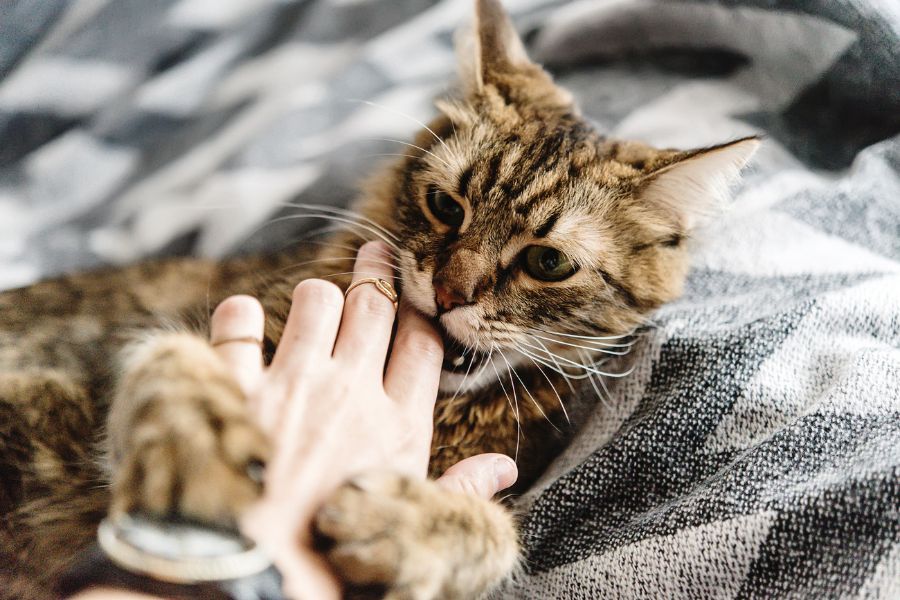
If you’re asking, “Why does my cat bite me?”, you’re not alone. Many cat owners experience unexpected nips, gentle love bites, or even painful bites from their feline companions. While biting can seem aggressive, it is often your cat’s way of communicating something important.
In this guide, we will explore the most common reasons your cat bites you, how to recognize the warning signs, and practical solutions to stop this behavior. Understanding your cat’s body language and needs can help you build a safer, happier relationship with your pet.
Understanding Why Cats Bite
Cats communicate differently from dogs or humans. Instead of barking or speaking, they use body language, vocal sounds, and sometimes biting to express themselves.
A cat bite does not always mean aggression. It can mean:
- Overstimulation
- Fear or anxiety
- Playfulness
- Attention-seeking
- Pain or discomfort
Understanding the context behind the bite is the first step toward fixing the problem.
Common Reasons Why Your Cat Bites You
1. Overstimulation During Petting
One of the most common answers to “why does my cat bite me?” is overstimulation. Cats enjoy affection, but only up to a certain point. Too much petting can make them uncomfortable.
Signs your cat is overstimulated:
- Tail flicking or thumping
- Ears turning sideways or backward
- Skin twitching along the back
- Sudden tension in the body
- Growling or meowing
When these signs appear, your cat is asking for space. If ignored, a bite may follow.
Solution:
- Stop petting when you notice warning signs
- Keep petting sessions short
- Focus on areas cats usually enjoy, like the chin or cheeks
2. Play Aggression
Cats, especially kittens, often bite during play. This behavior mimics hunting instincts. If your cat bites your hands or feet, they may simply see them as toys.
Common signs of play aggression:
- Pouncing on hands or feet
- Chasing moving objects
- Gentle or sudden bites without hissing
This type of biting is common in cats that did not learn bite control as kittens.
Solution:
- Use interactive toys instead of your hands
- Schedule daily play sessions
- Avoid rough play with your hands
Good toy options include:
- Wand toys
- Laser pointers
- Soft plush toys
- Puzzle feeders
Regular play helps reduce energy and prevents unwanted biting.
3. Fear or Anxiety
If your cat feels threatened, biting becomes a defense mechanism. Cats may bite when they feel trapped, startled, or uncomfortable.
Situations that may trigger fear biting:
- Loud noises
- New people or pets
- Being picked up suddenly
- Vet visits
- Unfamiliar environments
Warning signs of fear:
- Flattened ears
- Dilated pupils
- Hissing or growling
- Crouched posture
Solution:
- Give your cat space
- Avoid forcing interaction
- Create safe hiding spots
- Introduce new situations slowly
A calm and predictable environment reduces fear-related bites.
4. Love Bites and Affection Biting
Some cats give gentle nips during affection. These are often called love bites. They are usually soft and not intended to hurt.
Your cat may bite you lightly when:
- Grooming you
- Snuggling
- Kneading
- Feeling relaxed
This behavior is often learned from kittenhood, where gentle biting is part of bonding.
Solution:
- If the bite becomes too hard, gently withdraw your hand
- Avoid reacting dramatically
- Redirect attention with toys
Most affection bites are harmless, but should still be monitored.
5. Attention-Seeking Behavior
Sometimes, your cat bites simply to get your attention. If biting consistently leads to interaction, your cat learns that biting works.
Signs of attention-seeking bites:
- Biting when you’re working
- Biting during feeding time
- Biting when ignored
Solution:
- Avoid rewarding biting with attention
- Reward calm behavior instead
- Maintain a consistent routine
Cats thrive on predictable schedules, especially for meals and playtime.
6. Pain or Medical Issues
If your cat suddenly starts biting, it may be due to pain or discomfort. Cats often hide pain, and biting may be one of the first signs.
Possible medical causes:
- Dental problems
- Arthritis
- Injuries
- Skin irritation
- Illness
Warning signs to watch for:
- Sudden behavior changes
- Avoiding touch
- Reduced appetite
- Lethargy
If you notice these symptoms, schedule a veterinary visit. Treating the underlying issue often resolves the biting.
How to Stop Your Cat From Biting
Once you understand why your cat bites you, you can take steps to prevent it.
Practical Tips to Reduce Cat Biting
1. Learn Your Cat’s Body Language
Recognizing early signs helps you stop interactions before biting occurs.
2. Use Positive Reinforcement
Reward calm and gentle behavior with treats or praise.
3. Avoid Punishment
Never yell or hit your cat. This increases fear and aggression.
4. Provide Daily Playtime
Interactive play reduces pent-up energy and aggressive behavior.
5. Create a Safe Environment
Provide hiding spots, scratching posts, and comfortable resting areas.
6. Stick to a Routine
Consistent feeding and play times reduce anxiety.
When to Be Concerned About Cat Bites
Not all cat bites are harmless. Some bites can indicate deeper behavioral or medical issues.
You should seek professional help if:
- Biting becomes frequent
- Bites are severe
- Behavior changes suddenly
- Your cat shows signs of illness
Early intervention prevents behavior from becoming worse.
Preventing Cat Bites in Kittens
Training kittens early helps prevent biting later.
Kitten training tips:
- Never use your hands as toys
- Redirect biting to toys
- Stop play if biting occurs
- Reward gentle behavior
Kittens learn quickly when training is consistent.
What to Do If Your Cat Bites You
If your cat bites you:
- Stay calm
- Slowly move your hand away
- Avoid sudden reactions
- Clean the wound immediately
- Seek medical care if needed
Cat bites can sometimes cause infections, so proper wound care is important.
Building a Stronger Bond With Your Cat
Understanding your cat’s behavior helps strengthen your relationship. Cats that feel safe and understood are less likely to bite.
Ways to improve bonding:
- Gentle petting
- Interactive play
- Calm environment
- Consistent routine
- Respecting boundaries
Over time, trust reduces unwanted biting.
If you have been wondering, “Why does my cat bite me?”, the answer usually lies in communication. Cats bite for many reasons, including overstimulation, play, fear, attention, or pain. Learning to recognize these triggers helps prevent future bites and improves your relationship with your pet.
With patience, proper training, and regular veterinary care, most biting behaviors can be reduced or eliminated. If your cat continues to bite or shows sudden behavioral changes, professional guidance can help ensure your pet stays healthy and happy. For expert care and personalized advice in areas of Summerville or its surrounding communities, like Ladson, Goose Creek, Moncks Corner, and North Charleston, contact Sangaree Animal Hospital today to schedule an appointment.
FAQs
Q1: Why does my cat bite me when I pet them?
Ans: Your cat may be overstimulated. Watch for warning signs like tail flicking or ears turning back, and stop petting before a bite occurs.
Q2: Is it normal for cats to bite during play?
Ans: Yes, cats often bite during play because of their hunting instincts. Use toys instead of hands to reduce this behavior.
Q3: Why does my cat bite me gently?
Ans: Gentle bites are often love bites. They usually happen during affection and are not meant to hurt.
Q4: Should I punish my cat for biting me?
Ans: No, punishment can increase fear and aggression. Instead, use positive reinforcement and redirect behavior.
Q5: When should I worry about my cat biting me?
Ans: You should be concerned if biting becomes frequent, aggressive, or sudden, as it may indicate pain or a medical issue.