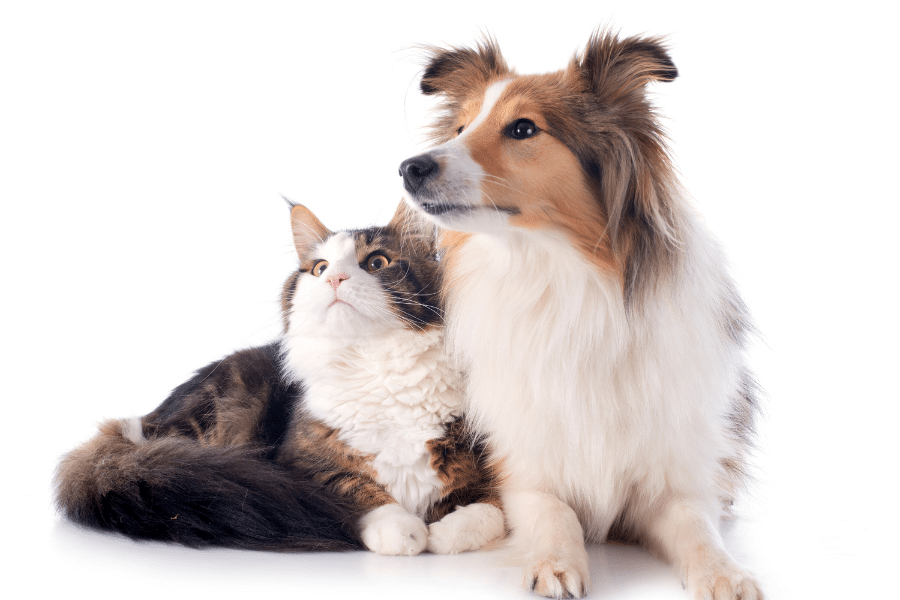


Few things worry pet owners more than watching a normally eager eater ignore every meal. If your pet stopped eating for three days, it is no longer something to simply watch and wait. Dogs and cats can lose their appetite for many reasons, ranging from mild stomach upset to serious illnesses that need immediate medical attention. At Sangaree Animal Hospital in Summerville, SC, we often see pets whose owners hoped their appetite would return on its own. Sometimes it does, but other times delaying care allows the underlying problem to become much worse. This guide explains why pets stop eating, what warning signs to watch for, and when it is time to seek urgent veterinary care.
My Pet Stopped Eating for 3 Days, Is It an Issue
If your pet stopped eating for three days, you should contact a veterinarian as soon as possible. While some pets skip a meal because of stress or a minor digestive upset, going several days without food increases the risk of dehydration, weakness, and complications. Cats are especially vulnerable because prolonged loss of appetite can lead to serious liver problems.
Your pet’s overall condition matters just as much as the number of days without food. A pet that refuses food but is also vomiting, has diarrhea, struggles to breathe, or seems unusually tired needs immediate veterinary attention.
Some pets may still drink water while refusing food. Others may stop eating and drinking altogether. Either situation deserves prompt evaluation, especially if the appetite loss lasts beyond 24 to 48 hours.
What Causes a Pet to Stop Eating
A reduced appetite is not a disease by itself. It is usually a sign that something else is affecting your pet.
Common causes include:
- Upset stomach
- Dental pain or broken teeth
- Mouth injuries
- Swallowed foreign objects
- Intestinal blockage
- Kidney disease
- Liver disease
- Pancreatitis
- Pain from an injury
- Stress or anxiety
- Certain medications
- Cancer
Cats may also stop eating because of changes in their environment. A new home, loud noises, unfamiliar visitors, or another pet can sometimes reduce their appetite for a short time. Dogs can react similarly, although medical conditions are often the more common cause when appetite loss continues for several days.
Older pets are more likely to develop chronic illnesses that affect eating habits. Puppies and kittens can become weak much faster because their bodies have fewer energy reserves.
Signs That Mean You Should Not Wait
Loss of appetite alone deserves attention, but certain symptoms make the situation much more urgent.
Watch for signs such as:
- Vomiting several times
- Bloody diarrhea
- Trouble breathing
- Severe weakness
- Collapse
- Swollen abdomen
- Crying or signs of pain
- Pale gums
- Yellow eyes or gums
- Difficulty walking
- Refusing both food and water
These symptoms may indicate a serious illness that requires immediate diagnosis and treatment.
Even if your pet appears comfortable, refusing food for three days is not considered normal. Early treatment often leads to better outcomes and may prevent hospitalization.
How Veterinarians Find the Cause
When your pet arrives for an examination, the first goal is to determine why they have stopped eating.
Your veterinarian will begin by asking questions about:
- When your pet last ate normally
- Changes in drinking habits
- Vomiting or diarrhea
- Recent travel
- Access to trash or household items
- Changes at home
- Current medications
A complete physical examination helps identify pain, dehydration, fever, abdominal swelling, or other visible problems.
Depending on the findings, additional testing may include:
- Blood work
- Urine testing
- X-rays
- Ultrasound
- Stool testing
- Oral examination under sedation if dental disease is suspected
Each test provides valuable information that helps narrow down the cause and guide treatment.
A Realistic Case Example
A middle-aged mixed-breed dog came into the clinic after refusing food for three days. The owner initially believed the dog had simply eaten something that upset its stomach because it continued drinking water. During the examination, the veterinarian noticed abdominal discomfort and recommended X-rays, which revealed a foreign object lodged in the intestines. After timely treatment and supportive care, the dog recovered well and gradually returned to a normal appetite. Cases like this remind us that what appears to be a simple stomach upset can sometimes be something much more serious.
Treatment Depends on the Underlying Cause
There is no single treatment for appetite loss because every case is different.
If dehydration is present, your pet may need fluid therapy to restore hydration and improve circulation.
Pets with stomach inflammation may receive medications that reduce nausea and help protect the digestive tract. Those with infections may require appropriate medications based on the diagnosis.
If dental disease is causing pain, treating the affected teeth often allows pets to eat comfortably again.
When an intestinal blockage or another surgical condition is found, prompt surgery may be necessary to remove the problem before complications develop.
In many situations, nutritional support becomes an important part of recovery. Your veterinarian may recommend special diets that are easier to digest while your pet heals.
What Can You Do at Home Before Seeing a Vet
If your pet stopped eating, there are a few safe steps you can take while arranging a veterinary appointment. These measures are not meant to replace professional care, especially after three days without food, but they may help you gather useful information for your veterinarian.
You can:
- Make sure fresh water is always available.
- Offer your pet’s regular food instead of introducing several new foods at once.
- Warm canned food slightly to increase its smell.
- Observe whether your pet is drinking, urinating, and having normal bowel movements.
- Keep your pet in a quiet, comfortable area to reduce stress.
Avoid forcing your pet to eat unless your veterinarian specifically instructs you to do so. Force feeding can increase stress and may be dangerous if your pet has certain medical conditions.
You should also avoid giving human medications or home remedies. Many products that are safe for people can be harmful to dogs and cats.
Keeping notes about your pet’s symptoms can help your veterinarian reach a diagnosis more quickly. Record when your pet last ate, how much water they are drinking, and any vomiting, diarrhea, coughing, or unusual behavior.
What to Expect During an Urgent Veterinary Visit
Bringing your pet to the clinic after several days without eating allows the veterinary team to identify the problem before it becomes more serious.
During your visit, your pet may receive:
- A complete physical examination
- Hydration assessment
- Diagnostic testing if needed
- Pain management if discomfort is present
- Medications to control nausea
- Fluid therapy
- Nutritional support recommendations
Some pets are able to return home with medication and a treatment plan the same day. Others may need hospitalization if they are severely dehydrated or require continuous monitoring.
The goal is not simply to make your pet eat again. It is to identify and treat the condition causing the loss of appetite.
Why Early Veterinary Care Makes a Difference
Many illnesses become more difficult and more expensive to treat when they are allowed to progress.
When a pet goes several days without food, the body begins using stored energy reserves. Muscle loss, dehydration, and weakness can develop quickly. Cats are particularly sensitive because prolonged appetite loss can lead to serious liver disease that often requires intensive treatment.
Seeking veterinary care early provides several benefits:
- Earlier diagnosis
- Faster treatment
- Lower risk of complications
- Better chance of recovery
- Less discomfort for your pet
Even if the problem turns out to be minor, having your pet examined provides peace of mind and helps ensure nothing more serious is being overlooked.
Conclusion
If your pet stopped eating for three days, it should never be ignored. While some cases are caused by temporary digestive upset, others may involve serious illnesses that require immediate treatment. Paying attention to changes in appetite, watching for additional symptoms, and seeking veterinary care early can make a significant difference in your pet’s recovery.
If your dog or cat has refused food for several days, search for a reliable urgent vet care near you. Contact us at (843) 871-0543 at Sangaree Animal Hospital in Summerville, SC to schedule an examination. Prompt care can help identify the cause, begin treatment, and give your pet the best chance for a full recovery.
FAQs
Q1: Is it normal for my pet to stop eating for three days?
Ans: No. A healthy dog or cat should not refuse food for three days. While stress or a mild stomach upset may briefly reduce appetite, prolonged loss of appetite usually indicates an underlying problem that should be evaluated by a veterinarian.
Q2: Can my pet drink water but still have a serious illness?
Ans: Yes. Some pets continue drinking water even when they stop eating. Conditions such as digestive disease, dental pain, kidney disease, or intestinal blockages may still be present, so your pet should be examined promptly.
Q3: What if my cat stopped eating for three days but seems normal?
Ans: Cats can develop serious complications after several days without food, even if they appear relatively comfortable. An examination is recommended as soon as possible to determine the cause and begin treatment if needed.
Q4: Should I try changing my pet’s food before going to the vet?
Ans: Offering the usual diet or gently warming canned food may encourage eating, but repeatedly changing foods is not recommended. If your pet has refused food for three days, a veterinary visit is more important than trying multiple diets at home.
Q5: When should loss of appetite be treated as an emergency?
Ans: Seek immediate veterinary care if your pet stops eating and also has vomiting, diarrhea, difficulty breathing, severe weakness, abdominal swelling, collapse, pale gums, or refuses both food and water. These signs may indicate a medical emergency that requires urgent treatment.