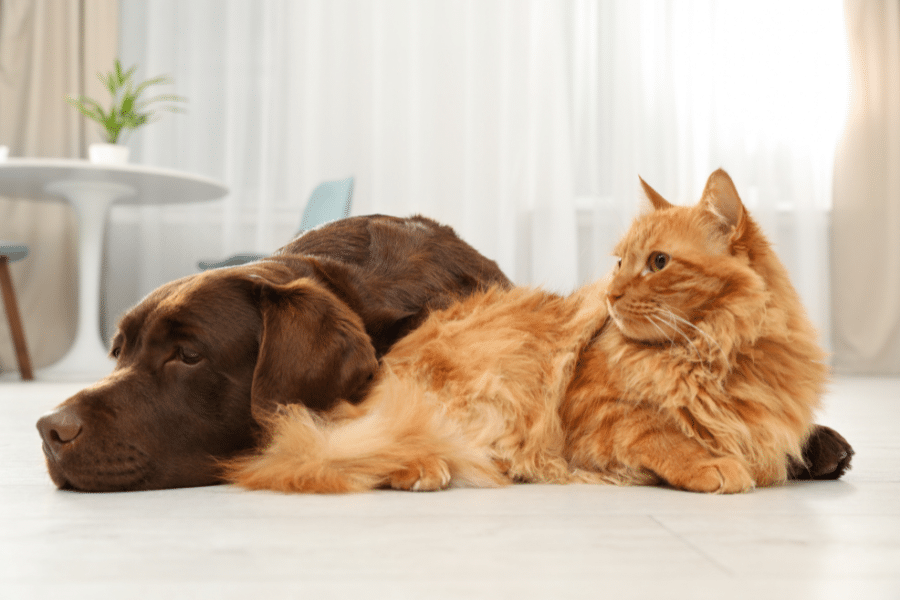

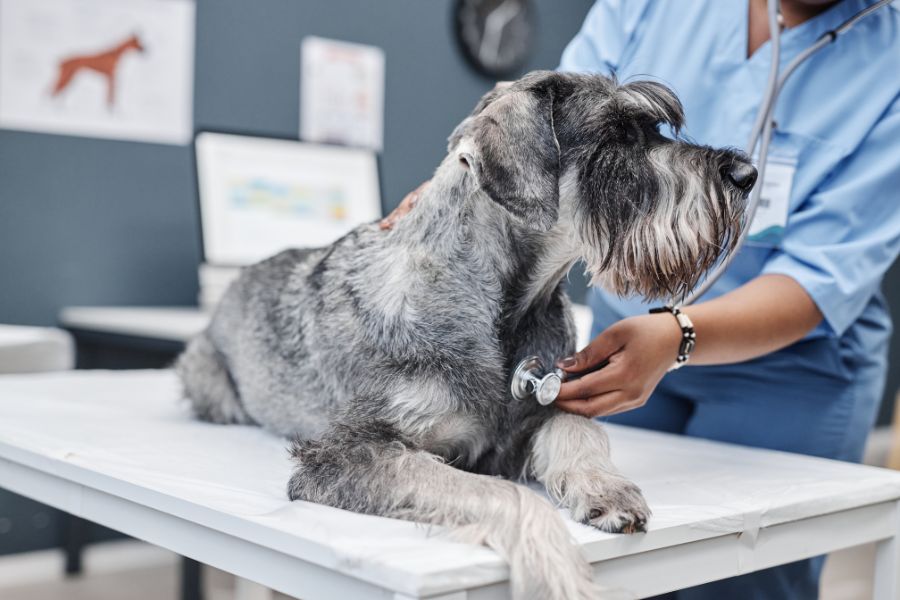
Your dog still wags his tail every morning. Your cat still finds her favorite sunny spot on the couch. But somewhere along the way, you noticed things are a little different. Maybe she sleeps more than she used to. Maybe he struggles to get up the stairs. Aging pets often hide discomfort remarkably well, which means the early warning signs of a health problem can be easy to miss if you do not know what to look for. At Sangaree Animal Hospital in Summerville, SC, we see senior pets every week whose owners wish they had come in sooner. This article walks you through seven signs that should prompt a vet visit because catching problems early almost always leads to better outcomes.
1. Unexplained Weight Loss or Gain
A change in your pet’s body weight is one of the most reliable signals that something is off internally. Weight loss in older pets can point to kidney disease, diabetes, hyperthyroidism in cats, or even cancer. Weight gain, on the other hand, may suggest hypothyroidism or a hormonal imbalance.
The tricky part is that gradual changes are hard to spot at home. A pet that loses half a pound per month may not look noticeably different to you until the loss is significant. That is why routine senior pet care includes regular weigh-ins, ideally every three to six months.
If your pet’s ribs have become more visible, or if their collar suddenly feels looser or tighter without a change in diet, schedule a veterinary checkup for your older pet sooner rather than later.
2. Changes in Drinking or Urination Habits
Drinking more water than usual (called polydipsia) and urinating more frequently (polyuria) are classic signs of several conditions common in aging pets, including:
- Kidney disease
- Diabetes mellitus
- Cushing’s disease (in dogs)
- Hyperthyroidism (in cats)
- Urinary tract infections
Any of these conditions is manageable when caught early, and much harder to control once it has progressed. If you notice your pet making more trips to the water bowl, having accidents inside the house, or producing unusually large amounts of urine, bring it up with your vet. Even what seems like a minor shift in habit can be meaningful information.
3. Difficulty Moving, Limping, or Reluctance to Exercise
Many pet owners chalk stiffness or slowness up to “just getting old.” While age does bring natural changes to joints and muscles, significant pain is never something your pet should simply have to live with. Arthritis is extremely common in senior dogs and cats, and it is very treatable.
Watch for these signs that your aging dog or cat may be in pain:
- Hesitation before jumping onto furniture or into the car
- Stiffness after resting, especially in the morning
- Favoring one leg or limping
- A shorter, slower stride on walks
- Reluctance to use stairs
Signs your pet is in pain are not always dramatic. Some pets simply become quieter or less playful. Others groom less or stop seeking attention. If your pet seems less like themselves physically, a vet visit can help identify whether arthritis, injury, or another condition is to blame.
4. Changes in Appetite or Difficulty Eating
A sudden loss of appetite in an older pet is worth taking seriously. It can signal dental disease, nausea, organ dysfunction, or pain. Equally important are changes in how your pet eats, not just how much.
Old cat health problems frequently involve the mouth. Cats with dental disease may drop food from their mouth, chew on one side only, or show interest in food but then walk away from the bowl. Dogs may become selective eaters or take much longer to finish a meal than they used to.
Dental disease is the most commonly overlooked source of chronic pain in senior pets. By age three, most dogs and cats have some degree of periodontal disease, and it only progresses with age. Beyond the mouth, poor appetite can also indicate kidney disease, liver problems, or gastrointestinal issues. Either way, a change in eating habits is a reason to call your vet.
5. Lumps, Bumps, or Skin Changes
Older pets develop lumps more frequently, and while many are benign (like lipomas, which are fatty tumors), others are not. The challenge is that you cannot tell the difference by looking or feeling alone.
Get in the habit of running your hands over your pet’s body during regular grooming sessions. Note any new lumps and track whether they are growing. Any lump that appears suddenly, grows quickly, feels firm, or is accompanied by other symptoms should be evaluated promptly.
Skin and coat changes are also worth mentioning to your vet. Dull, brittle fur, increased shedding, flaky skin, or unusual odor can point to nutritional deficiencies, hormonal issues, allergies, or systemic disease. These changes are easy to overlook but often carry useful diagnostic information.
6. Behavioral or Cognitive Changes
Behavioral shifts in aging pets are sometimes dismissed as personality quirks, but they can actually signal medical problems, including canine cognitive dysfunction (similar to dementia in humans) or pain-related anxiety.
Common behavioral signs to watch for include:
- Disoriented or seeming confused in familiar spaces
- Increased vocalization, especially at night
- Forgetting house training or litter box habits
- Becoming more clingy or, conversely, more withdrawn
- Staring blankly at walls or getting “stuck” in corners
These changes can also stem from neurological conditions, vision or hearing loss, or chronic pain rather than cognitive decline specifically. Your veterinarian can help distinguish between the causes and recommend options that improve your pet’s comfort and quality of life.
7. Bad Breath, Coughing, or Breathing Changes
Persistent bad breath in pets is rarely normal. In dogs, it often points to dental disease or kidney problems. In cats, a noticeably sweet or chemical smell to the breath can indicate diabetes or kidney failure. These are not cosmetic concerns; they are health concerns.
Coughing, wheezing, or labored breathing in an older pet also deserves attention. These can be signs of heart disease, lung disease, fluid accumulation, or tracheal issues, particularly in small-breed dogs. When to take your pet to the vet for breathing concerns: if your pet is coughing regularly, breathing with visible effort, or tiring quickly during light activity, do not wait.
A pet preventive exam gives your veterinarian a full picture of what is happening internally, often catching conditions that have no visible symptoms yet.
What to Expect at a Senior Pet Wellness Visit?
At Sangaree Animal Hospital, senior pet care visits go beyond the basics. When you bring in your aging dog or cat for a wellness exam, your veterinarian will:
- Perform a thorough nose-to-tail physical examination
- Assess weight, muscle mass, and body condition
- Evaluate dental health
- Discuss any behavioral or physical changes you have noticed at home
- Recommend bloodwork, urinalysis, or imaging based on your pet’s age and risk factors
Bloodwork is especially valuable for older pets because it can detect organ changes before symptoms appear. Early detection of kidney disease, liver changes, or thyroid dysfunction allows for intervention while treatment options are still broad.
Beyond diagnosis, these visits are also a chance to talk through nutrition, pain management, joint supplements, and lifestyle adjustments that can meaningfully improve your senior pet’s comfort and quality of life. No concern is too small to bring up.
Conclusion
Aging pets need more attentive care, not less. The seven signs covered here, from weight changes and altered drinking habits to lumps, behavioral shifts, and breathing changes, are your early warning system. Acting on them promptly gives your vet the best chance to help. If you are looking for a trusted Summerville veterinarian near you, then the team at Sangaree Animal Hospital is here to support your senior pet through every stage of their golden years. If something feels off with your aging companion, trust that instinct and give us a call. A timely pet wellness exam today could make a real difference tomorrow.
Frequently Asked Questions
Q1: How often should I take my senior dog or cat to the vet?
Ans: Most veterinarians recommend twice-yearly exams for pets over the age of seven. Senior pets age faster than humans, meaning a lot can change in six months. More frequent visits allow for earlier detection of conditions that are common in older animals.
Q2: What are the most common health problems in aging dogs and cats?
Ans: Arthritis, dental disease, kidney disease, diabetes, hyperthyroidism (in cats), heart disease, and cognitive dysfunction are among the most frequently diagnosed conditions in senior pets. Many of these are manageable with early treatment and lifestyle adjustments.
Q3: How can I tell if my older pet is in pain?
Ans: Pets rarely cry out or whimper unless pain is severe. More subtle signs include reduced activity, changes in posture, reluctance to be touched in certain areas, loss of appetite, and behavioral withdrawal. If your pet seems quieter or less engaged than usual, pain may be a factor worth discussing with your vet.
Q4: How much does a senior pet wellness exam typically cost?
Ans: Costs vary by clinic and region, but a wellness exam for a senior pet generally ranges from $50 to $100 before any diagnostic tests. Bloodwork and urinalysis, which are commonly recommended for older pets, add to that cost but are well worth it for the information they provide. Many clinics offer senior wellness packages that bundle these services at a reduced rate.
Q5: When should I take my aging pet to the vet immediately rather than waiting for a scheduled appointment?
Ans: Seek same-day or emergency care if your pet is struggling to breathe, has collapsed, is not eating or drinking for more than 24 hours, is vomiting or experiencing diarrhea repeatedly, seems severely disoriented, or is in obvious pain. For less urgent concerns, it is still better to call your vet and describe what you are seeing rather than waiting to see if it resolves on its own.