

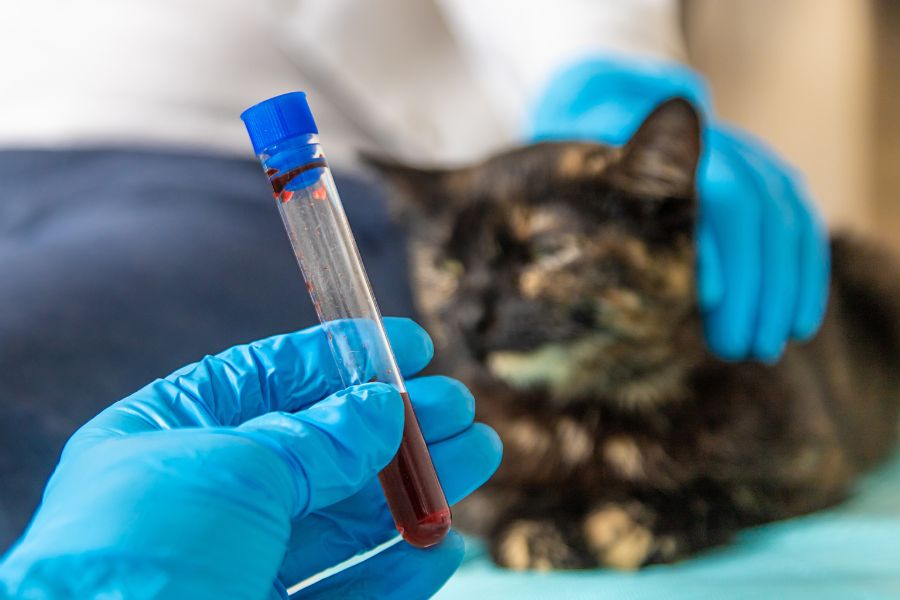
Your dog seems perfectly fine at home. Eating well, tail wagging, no obvious complaints. So when your veterinarian recommends a blood panel at your pet’s annual exam, it can feel unnecessary. But here is the thing: many serious health conditions in pets show no outward signs until they have already progressed. A routine blood panel gives your vet a window into what is happening inside your pet’s body long before symptoms ever appear. At Sangaree Animal Hospital in Summerville, SC, we recommend annual bloodwork as one of the most reliable tools for catching problems early and keeping your pet healthy for the long haul. In this article, you will learn exactly what a blood panel checks, what the results mean, and why this simple test can make a real difference in your pet’s life.
What Is a Blood Panel and What Does It Actually Test?
A blood panel is a group of diagnostic lab tests performed on a small sample of your pet’s blood. Most veterinary blood panels are made up of two main components: a complete blood count (CBC) and a blood chemistry panel.
The complete blood count measures the number and condition of red blood cells, white blood cells, and platelets. This helps your vet identify anemia, infection, inflammation, and clotting problems. The blood chemistry panel looks at the levels of enzymes, proteins, electrolytes, and waste products circulating in your pet’s blood, giving a detailed snapshot of how major organs are functioning.
Together, these two tests create a thorough picture of your pet’s internal health. Many clinics also add a thyroid hormone test for older pets, since thyroid disorders are common in dogs and cats as they age.
The test itself is quick. A small blood sample is drawn, usually from a vein in the leg or neck, and sent to a lab. Results are often available the same day or within 24 hours.
What Organs and Systems Does Bloodwork Evaluate?
One of the most valuable things about routine pet bloodwork is how much ground it covers in a single test. Here is a breakdown of the key systems your vet is looking at:
Kidney function: Blood urea nitrogen (BUN) and creatinine levels indicate how well the kidneys are filtering waste from the blood. Elevated levels can be an early sign of kidney disease, which is common in both cats and older dogs.
Liver function: Enzymes like ALT and ALP rise when liver cells are stressed or damaged. Catching liver issues early through veterinary lab work gives pets a much better chance of successful management.
Blood sugar: Glucose levels help screen for diabetes, which affects a growing number of pets, particularly overweight cats and dogs.
Pancreatic health: Certain enzyme levels point to pancreatitis, a painful and sometimes life-threatening condition that can sneak up without obvious warning signs.
Protein levels: Albumin and total protein levels reflect your pet’s nutritional status and can signal gastrointestinal disease or immune system problems.
Electrolytes: Sodium, potassium, and chloride levels help assess hydration and can signal issues with the adrenal glands or gastrointestinal tract.
Red and white blood cells: A low red blood cell count points to anemia; an elevated white blood cell count can indicate infection, inflammation, or in some cases, early cancer.
The Hidden Conditions Routine Bloodwork Can Catch Early
This is where annual vet blood tests earn their value. Many of the most common and serious pet health conditions develop silently. By the time a pet owner notices something is wrong, the disease may already be advanced.
Consider a real scenario: a seven-year-old Labrador with a great appetite and plenty of energy. Nothing seems off. But bloodwork at his annual exam reveals mildly elevated kidney values. His vet catches it early, adjusts his diet, increases his water intake, and schedules follow-up monitoring. Two years later, his kidney function is stable. Without that blood panel, the first sign might have been a very sick dog.
Conditions that routine pet blood test results can help detect early include:
- Chronic kidney disease (especially in cats over age 7)
- Diabetes mellitus in dogs and cats
- Hyperthyroidism in cats (the most common hormonal disease in older cats)
- Hypothyroidism in dogs (often causing weight gain, lethargy, and skin problems)
- Liver disease from toxin exposure, infection, or age-related changes
- Addison’s disease and Cushing’s disease (adrenal gland disorders)
- Anemia from parasites, bone marrow problems, or chronic illness
- Infections not yet showing clinical symptoms
Early detection changes outcomes. Treatments are more effective, less expensive, and less invasive when a condition is caught before it has time to progress.
What to Expect During a Blood Panel at Our Clinic?
Pet owners are sometimes surprised by how straightforward the process is. Here is what typically happens when your pet comes in for routine bloodwork at a veterinary clinic:
- Check-in and exam: Your vet will do a physical exam first, noting weight, temperature, heart rate, and any changes since the last visit.
- Blood draw: A trained technician gently collects a small blood sample, usually in under a minute. Most pets handle it very well.
- Lab processing: The sample is analyzed in-house or sent to a reference lab. Many clinics now offer same-day results for routine panels.
- Results review: Your vet walks you through what was found, explains any values that are outside the normal range, and discusses next steps if anything needs attention.
The whole process is usually done within a routine wellness visit. No lengthy procedures, no sedation required for most healthy pets.
Why Pet Owners in Summerville Trust Preventive Lab Work?
The goal of a pet wellness screening is not to find something scary. It is to give you peace of mind and your pet the best possible chance at a long, healthy life. Most of the time, blood panels come back normal, and that is genuinely good news. A normal result is a baseline. It tells your vet what “healthy” looks like for your specific pet, which makes future comparisons far more meaningful.
When results do show something, having that information early is almost always better than waiting. Treatment options are broader, costs are lower, and outcomes tend to be better. That is especially true for chronic conditions like kidney disease and diabetes, where consistent monitoring matters as much as the initial diagnosis.
A blood chemistry panel for dogs and cats is also recommended before any surgical procedure. Anesthesia is processed by the liver and kidneys. If either organ is not functioning well, your vet needs to know ahead of time to adjust the anesthesia protocol and keep your pet safe.
Many vets also recommend running a baseline blood panel on puppies and kittens, even when they appear completely healthy. Having that early data makes it easier to spot changes as your pet grows older.
How to Know If Your Pet Is Due for Bloodwork?
If your pet has not had a blood panel in the past year, it is worth scheduling one. That applies even if your pet seems perfectly healthy. Here are some situations where your vet will almost certainly recommend running blood work:
- Your pet is over 7 years old (senior pets benefit from twice-yearly screening)
- Your pet is starting a new long-term medication
- Your pet is scheduled for surgery or a dental cleaning under anesthesia
- Your pet has shown any change in appetite, thirst, urination, or energy levels
- Your pet has not had a physical exam in more than 12 months
- You are adopting a new pet and want to establish a health baseline
Even younger, healthy pets benefit from at least one baseline panel. It costs very little relative to the information it provides.
Conclusion
A routine blood panel through effective pet diagnostic care is one of the simplest, most effective things you can do for your pet’s long-term health. It catches problems before they become emergencies, confirms that major organs are working as they should, and gives your veterinarian the data needed to make smart, personalized decisions for your pet’s care. At Sangaree Animal Hospital in Summerville, SC, our team is here to walk you through every result and every next step, with clear answers and genuine care for your pet. If your pet is due for a wellness visit or you have questions about whether bloodwork is right for them, give us a call or book an appointment online today. Your pet cannot tell you when something feels off, but their bloodwork can.
Frequently Asked Questions
Q1: What is a blood panel for pets?
Ans: A blood panel is a lab test performed on a small sample of your pet’s blood. It typically includes a complete blood count (CBC) and a blood chemistry panel, which together evaluate organ function, red and white blood cell levels, blood sugar, proteins, and electrolytes. It gives your vet a detailed internal snapshot of your pet’s health without any invasive procedures.
Q2: How can I tell if my pet needs bloodwork?
Ans: Annual bloodwork is recommended for all adult pets, even those that appear healthy. If your pet is over 7 years old, is starting a new medication, or has shown any changes in drinking, eating, urinating, or energy levels, your vet will likely recommend a blood panel sooner. Early detection of any abnormalities makes treatment significantly more effective.
Q3: What conditions can a routine blood panel detect in dogs and cats?
Ans: Routine pet bloodwork can reveal a wide range of conditions, including kidney disease, liver disease, diabetes, thyroid disorders, anemia, infections, and adrenal gland problems. Many of these conditions show no visible symptoms in the early stages, which is why routine annual vet blood tests are so important for catching them before they worsen.
Q4: How much does a pet blood panel cost at a vet?
Ans: The cost of a blood panel varies by clinic and the type of tests included, but most routine wellness panels range from around $80 to $200. Some clinics bundle bloodwork into wellness packages at a lower combined cost. While this may seem like an added expense, catching a condition early through routine bloodwork often saves significantly more in treatment costs down the road.
Q5: How often should my pet have a blood panel done?
Ans: For healthy adult pets under 7 years old, once a year is generally recommended. Senior pets (7 and older) benefit from blood work every six months, since age-related conditions can develop and change quickly. Your vet may also recommend more frequent testing if your pet has an existing health condition or is on long-term medication that requires monitoring.