

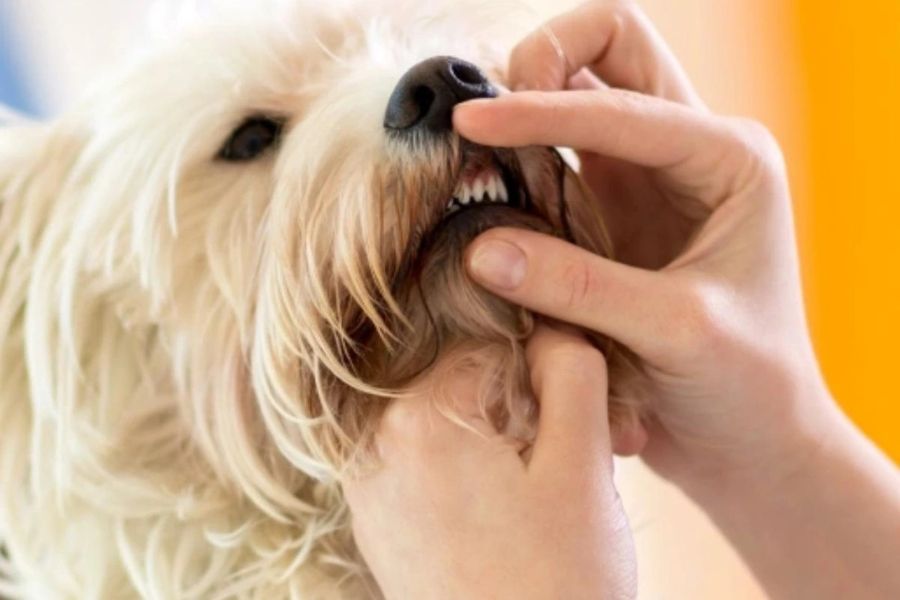
Pet dental care is often overlooked, but it plays a major role in your pet’s overall health and comfort. Many pets develop dental problems by age three, which can lead to pain, infection, and even serious health issues. In this guide, you will learn why pet dental care matters, warning signs to watch for, and simple ways to keep your pet’s mouth healthy.
What Is Pet Dental Care?
Pet dental care refers to maintaining your pet’s oral health through regular cleanings, exams, and at-home care. Just like humans, pets can develop plaque, tartar, gum disease, and tooth decay.
Good pet dental care typically includes:
- Regular veterinary dental exams
- Professional dental cleanings
- Brushing your pet’s teeth at home
- Dental treats and chews
- Special dental diets when needed
Without proper dental care, bacteria in your pet’s mouth can spread to other parts of the body, causing more serious health problems.
Why Pet Dental Care Is So Important
Many pet owners assume bad breath is normal, but it is often the first sign of dental disease. Ignoring oral health can lead to painful infections and long-term complications.
Here is why pet dental care is essential:
Prevents Pain and Discomfort
Pets often hide pain. Dental disease can cause:
- Inflamed gums
- Loose teeth
- Tooth fractures
- Mouth sores
These issues can make eating painful and reduce your pet’s quality of life.
Protects Overall Health
Poor oral hygiene does not just affect the mouth. Bacteria from dental disease can enter the bloodstream and affect:
- Heart
- Kidneys
- Liver
- Lungs
Regular pet dental care helps prevent these serious health risks.
Saves Money in the Long Run
Preventive dental care is usually less expensive than treating advanced dental disease. Early treatment helps avoid:
- Tooth extractions
- Emergency procedures
- Long-term medication
Routine dental care protects both your pet’s health and your budget.
Signs Your Pet May Need Dental Care
Pets rarely show obvious signs of dental pain. However, there are warning signs you should never ignore.
Common signs include:
- Bad breath
- Yellow or brown buildup on teeth
- Red or swollen gums
- Drooling more than usual
- Difficulty chewing
- Pawing at the mouth
- Decreased appetite
- Loose or missing teeth
If you notice any of these symptoms, your pet may need professional pet dental care.
How Often Should Pets Get Dental Checkups?
Most pets benefit from a dental exam at least once a year. Some pets may require more frequent visits, especially if they are prone to dental issues.
Pets that may need more frequent dental care include:
- Small breed dogs
- Older pets
- Pets with crowded teeth
- Pets with previous dental disease
Your veterinarian can recommend a dental care schedule based on your pet’s needs.
What Happens During a Professional Dental Cleaning?
Professional pet dental care involves more than just cleaning visible teeth. A full dental procedure typically includes:
- Physical oral exam
- Dental X-rays, if needed
- Plaque and tartar removal
- Polishing teeth
- Gum health evaluation
- Tooth extractions, if necessary
These procedures are performed under anesthesia to ensure safety and comfort. This also allows the veterinary team to thoroughly clean below the gum line, where most dental problems begin.
At Home Pet Dental Care Tips
Daily home care plays a big role in maintaining your pet’s oral health. Simple habits can prevent serious dental problems.
Brush Your Pet’s Teeth
Brushing your pet’s teeth is the most effective home dental care method.
Tips for brushing:
- Use pet-safe toothpaste
- Start slowly and be patient
- Brush a few teeth at a time
- Reward your pet after brushing
Even brushing a few times a week can make a difference.
Offer Dental Chews
Dental chews help reduce plaque buildup. Look for products designed specifically for pets and approved by veterinarians.
Use Dental Diets
Some pet foods are designed to support oral health. These diets can help reduce plaque and tartar.
Provide Safe Chew Toys
Chew toys can help clean teeth naturally. Avoid extremely hard toys that could damage teeth.
Common Dental Problems in Pets
Understanding common dental issues can help you act early.
Periodontal Disease
This is the most common dental condition in pets. It starts with plaque buildup and leads to gum infection and tooth loss.
Tooth Fractures
Pets that chew hard objects may crack or break teeth. This can expose nerves and cause pain.
Gingivitis
Inflamed gums are an early sign of dental disease. Gingivitis is reversible if treated early.
Tooth Root Abscess
Infections around the tooth root can cause swelling, pain, and drainage.
Regular pet dental care helps prevent these conditions.
Which Pets Are Most at Risk?
Some pets are more prone to dental disease than others.
High-risk pets include:
- Small breed dogs like Chihuahuas and Yorkies
- Older pets
- Pets with crowded teeth
- Pets that do not receive regular dental care
Even cats are at risk. Many cats develop dental disease without obvious symptoms.
When Should You Start Pet Dental Care?
Pet dental care should begin early. Starting young helps pets become comfortable with oral care routines.
Recommended timeline:
- Puppies and kittens, begin gentle mouth handling early
- Adult pets should schedule regular dental exams
- Senior pets, increase dental monitoring
Early prevention leads to better long-term oral health.
Benefits of Routine Pet Dental Care
Consistent dental care offers many benefits:
- Fresher breath
- Healthier gums
- Reduced risk of infection
- Better appetite
- Improved comfort
- Longer lifespan
Healthy teeth and gums contribute to your pet’s overall well-being.
How to Make Dental Care Easier for Your Pet
Some pets resist dental care at first. Here are helpful tips:
- Start slowly
- Use treats and praise
- Choose flavored pet toothpaste
- Create a consistent routine
- Be patient and gentle
Over time, most pets become more comfortable with dental care.
Pet dental care is essential for your pet’s comfort, health, and longevity. Regular exams, professional cleanings, and at-home care can prevent painful dental problems and serious health risks. Taking a proactive approach to your pet’s oral health can improve their quality of life and help them stay happy for years to come. If your pet is due for a dental checkup, schedule an appointment with Sangaree Animal Hospital in Summerville, SC, today.
FAQs
Q1: How often should I brush my pet’s teeth?
Ans: Ideally, you should brush your pet’s teeth daily. If daily brushing is not possible, aim for at least three times per week for effective pet dental care.
Q2: Is bad breath normal in pets?
Ans: No, bad breath is often a sign of dental disease. Persistent odor usually indicates the need for professional pet dental care.
Q3: At what age should pet dental care begin?
Ans: Pet dental care should begin during the puppy or kitten stages. Early care helps prevent dental disease later in life.
Q4: Do pets really need professional dental cleanings?
Ans: Yes, professional dental cleanings remove plaque and tartar below the gum line, which brushing alone cannot reach.
Q5: Can dental disease affect my pet’s overall health?
Ans: Yes, bacteria from dental disease can spread to organs like the heart, liver, and kidneys, making pet dental care essential for overall health.